

If you’re looking to brighten up your indoor spaces but don’t have much natural sunlight, consider houseplants that thrive in low-light conditions. For instance, the Snake Plant is incredibly forgiving and only needs watering every few weeks, making it perfect for neglectful plant owners. The Peace Lily not only thrives in medium light but also purifies the air while requiring minimal care. Other great options include Pothos and ZZ Plants, both of which can survive in nearly darkness. With a variety of choices like Spider Plants and Chinese Evergreens, you can create a lush environment without depending on sunlight.
Table of Contents
- Cast Iron Plant: Tough and Resilient
- Pothos: Perfect for Neglectful Gardeners
- ZZ Plant: Thriving in Darkness
- Spider Plant: Versatile and Adaptable
- Chinese Evergreen: Stylish and Efficient
- Parlor Palm: Tropical Vibes Indoors
- Maidenhair Fern: Delicate Yet Hardy
- Bromeliads: Unique and Humidity-Loving
- Heartleaf Philodendron: Flexible and Easy
- English Ivy: Climbing Beauty for Low Light
- Prayer Plant: Unique Foliage and Care
- Dumb Cane: Attractive but Toxic
- Rubber Tree: Tall and Beautiful Options
- Enhance Your Space with Abzzo.com
- Frequently Asked Questions
3. Cast Iron Plant: Tough and Resilient
The Cast Iron Plant, or Aspidistra elatior, is a remarkable choice for indoor gardening, especially if you’re not the most attentive plant owner. This plant is known for its extreme hardiness and ability to thrive in various conditions, making it a perfect fit for those who may forget to water regularly or place plants in less-than-ideal spots. It prefers indirect light and moist, but not soggy, soil, which means it can handle a bit of neglect without showing signs of distress. The Cast Iron Plant can tolerate low humidity and temperature fluctuations, making it versatile enough for different indoor environments.
As it grows slowly, over time it can reach a height of 2 to 3 feet, providing a lush green touch to any corner of your home. Its resilient nature means it’s also very resistant to pests and diseases, so you won’t have to worry about constant upkeep. Whether you place it in a quiet corner or a low-traffic area, the Cast Iron Plant will adapt beautifully, requiring minimal care while still enhancing your indoor space.
- Extremely hardy and can survive in various conditions.
- Requires minimal care, making it perfect for forgetful plant owners.
- Prefers indirect light and moist (but not soggy) soil.
- Can tolerate neglect, low humidity, and temperature fluctuations.
- Grows slowly but can reach a height of 2-3 feet over time.
- Its lush green leaves can add a touch of nature to any indoor space.
- Very resistant to pests and diseases.
- Ideal for beginners or anyone looking for a low-effort plant.
- Can thrive in a variety of soil types, including heavy clay.
- Great for placing in corners or areas with little foot traffic.
4. Pothos: Perfect for Neglectful Gardeners
Pothos, also known as Epipremnum aureum, is a houseplant that thrives in low light, making it ideal for those who may not have the greenest thumbs. This plant is incredibly forgiving, requiring only occasional watering when the top inch of soil feels dry. Its fast growth is satisfying to witness, as it can quickly fill a space with its beautiful trailing vines. You can even propagate Pothos in water, which adds a fun and rewarding dimension to caring for this plant. It also purifies the air, helping to cleanse your indoor environment. Available in various types, including golden and marble queen, Pothos can adapt to different soil conditions with minimal pruning needed to manage its growth. Plus, it’s safe for pets, making it a worry-free choice for families.
5. ZZ Plant: Thriving in Darkness
The ZZ plant, known scientifically as Zamioculcas zamiifolia, stands out as one of the most resilient houseplants available. This plant is almost indestructible, thriving even in complete darkness, making it an excellent choice for windowless rooms or areas with minimal light. Its glossy, attractive leaves add a modern touch to any decor, while its ability to grow up to 3 feet tall provides a striking presence in your space. For those with busy lifestyles who may not have time for plant care, the ZZ plant is ideal, requiring watering only when the soil is completely dry. This helps prevent overwatering, a common mistake that can lead to root rot. It prefers well-draining soil to keep its roots healthy. Additionally, the ZZ plant is resistant to pests and diseases, further enhancing its appeal for indoor gardening. It can tolerate a variety of temperatures and humidity levels, making it a durable option that can adapt to different environments. Although it grows slowly, its long-term durability makes it a worthwhile investment for anyone looking to add greenery to their home.
6. Spider Plant: Versatile and Adaptable
The Spider Plant, scientifically known as Chlorophytum comosum, is a fantastic choice for indoor gardening, especially in low-light environments. This plant is incredibly versatile, able to thrive in various potting mediums, and it’s known for its ability to tolerate low light conditions. One of the most charming aspects of the Spider Plant is its tendency to produce small plantlets, often referred to as ‘babies,’ which can be easily propagated, making it a rewarding option for gardeners of all experience levels.
Caring for a Spider Plant is quite simple. It requires periodic watering, particularly in the spring and summer months when it’s actively growing. Despite its low maintenance needs, it’s important to ensure that it receives enough moisture without becoming overwatered. This resilience allows it to bounce back from neglect, making it perfect for busy individuals or those who might forget to tend to their plants regularly.
Furthermore, the Spider Plant is celebrated for its air-purifying properties, helping to improve indoor air quality by removing toxins from the air. Its ability to thrive in hanging baskets adds a visually appealing touch to your home. This plant can adapt to a range of temperatures and humidity levels, making it suitable for various indoor settings. Additionally, it is safe for pets, which is a significant advantage for families with furry friends. In addition to its practical benefits, the Spider Plant occasionally produces delicate white flowers, enhancing its charm and making it a delightful addition to any indoor space.
7. Chinese Evergreen: Stylish and Efficient
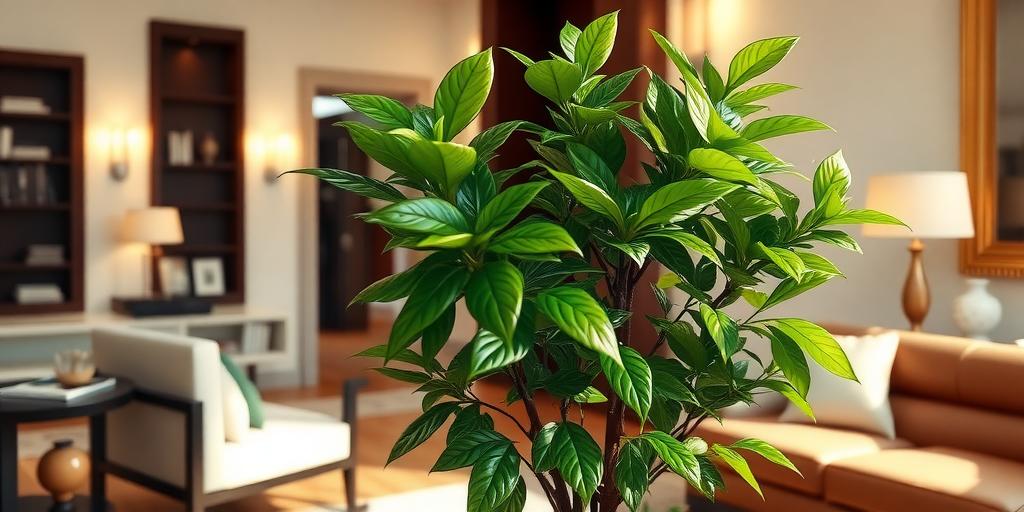
The Chinese Evergreen (Aglaonema) is a fantastic choice for those looking to add greenery to their indoor spaces without the need for sunlight. This plant thrives in low light, making it perfect for darker corners of your home. One of its standout features is its ability to filter the air, contributing to a healthier living environment. The care requirements are simple: just water it when the soil feels dry, which makes it a low-maintenance option for busy lifestyles.
Chinese Evergreens love humidity, so they fit perfectly in rooms like bathrooms or kitchens where moisture levels are higher. With its variety of attractive leaf patterns and colors, it can complement any decor style while growing up to 3 feet tall, creating a striking focal point.
Additionally, this plant is quite resilient, able to tolerate a range of temperatures and resistant to pests, which means you’ll spend less time worrying about its care. For pet owners, the Chinese Evergreen is non-toxic, making it a safe choice for households with furry friends. Its adaptability to different container sizes allows it to grow with you, requiring little attention and being forgiving if you occasionally forget to care for it.
8. Parlor Palm: Tropical Vibes Indoors
The Parlor Palm, or Chamaedorea elegans, is a fantastic choice for adding a touch of the tropics to your home. It thrives in low light, making it perfect for dim corners or areas with limited natural sunlight. This plant requires minimal care, needing watering only when the top inch of soil is dry, which is great for those who might forget to tend to their greenery. Moreover, it is adaptable to artificial light, so it works well in offices or other indoor settings. While it grows slowly, it can eventually reach heights of up to 4 feet, creating a lush, soft texture that enhances your decor. One of its best features is its tolerance for neglect, making it an ideal plant for busy individuals. It is also pet-safe, allowing animal lovers to enjoy its beauty without concern. The Parlor Palm requires minimal pruning and can thrive in a variety of potting mixes, including standard houseplant soil, making it a versatile addition to any indoor garden.
9. Maidenhair Fern: Delicate Yet Hardy
The Maidenhair Fern, known scientifically as Adiantum, is a lovely choice for indoor spaces where sunlight is scarce. This plant thrives in indirect light and prefers high humidity, making it perfect for bathrooms or kitchens. It requires consistent moisture, so be mindful not to let it dry out completely. Its delicate, lacy leaves bring an elegant touch to any room, but they do require careful watering to avoid root rot, which can make it a bit demanding for some gardeners. For those looking to boost humidity, growing Maidenhair Ferns in terrariums or small pots can be beneficial. Additionally, they are safe for pets, making them a family-friendly option. This fern can improve indoor air quality, adding to its appeal as a healthy choice for your home. With the right care and attention, the Maidenhair Fern can flourish in various soil types, as long as they drain well. To maintain its humidity levels, occasional misting is recommended.
10. Bromeliads: Unique and Humidity-Loving
Bromeliads are fascinating houseplants that can thrive in bright, indirect light but are surprisingly adaptable to lower light levels. They prefer humid environments, making them a perfect choice for spaces like bathrooms. Their versatility allows them to be grown in soil or even without soil, which is a fun option for those looking to experiment. Known for their vibrant flowers and unique leaf formations, bromeliads can be an eye-catching addition to your indoor decor. When caring for them, it’s important to water at the base to prevent rot in the center of the plant. One of the best parts about bromeliads is that they are safe for pets, making them suitable for homes with furry friends. They are also quite resilient, tolerating a range of indoor conditions. Adding a bromeliad can infuse a tropical feel into your space, and if you’re interested in propagation, they can be easily grown from offsets.
11. Heartleaf Philodendron: Flexible and Easy
The Heartleaf Philodendron is an excellent choice for indoor gardening, especially in low-light conditions. This plant is very adaptable, thriving even in areas with minimal sunlight. It requires little care, needing water only when the topsoil is dry, making it perfect for those with busy lifestyles. Heartleaf Philodendron enjoys humidity, so misting the leaves occasionally can help keep them healthy and vibrant.
This versatile plant can grow in various potting mediums, whether in soil or a hydroponic setup, and it looks stunning in hanging baskets or as a climbing plant. Its heart-shaped leaves not only add charm to your space, but they also create a cozy atmosphere. If you happen to neglect your plants, the Heartleaf Philodendron will tolerate that too, bouncing back without much fuss.
Propagation is also a breeze with this plant, as it can easily be grown from cuttings, allowing you to expand your indoor garden effortlessly. Plus, it’s considered safe for pets, making it a worry-free addition to homes with furry friends.
12. English Ivy: Climbing Beauty for Low Light
English Ivy, or Hedera helix, is a stunning choice for low-light indoor spaces. This plant thrives even in dimly lit environments, making it ideal for rooms that don’t receive much natural light. Its climbing nature allows it to cover walls, trellises, or hang beautifully from baskets, adding a touch of elegance to your decor. To keep your English Ivy healthy, regular watering is essential; the soil should be kept moist but not soggy, and well-draining soil is crucial to prevent root rot. The small, lobed leaves provide a unique texture that enhances any interior style. Not only is it visually appealing, but English Ivy is also known for its air-purifying properties, helping to improve indoor air quality. While it can tolerate some neglect, it truly flourishes with a bit of care and attention. Just be cautious, as it is considered invasive in some outdoor settings, so always be mindful of its placement.
13. Prayer Plant: Unique Foliage and Care
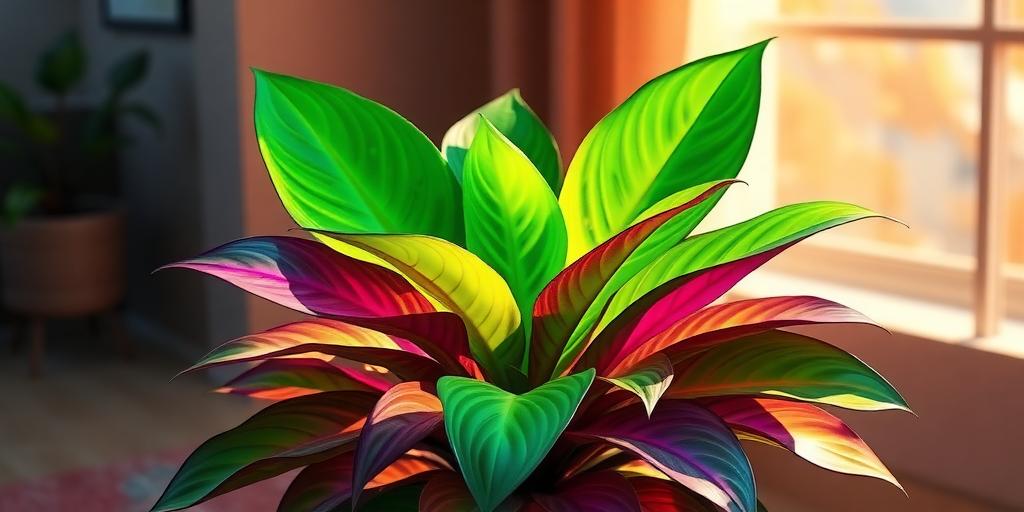
The Prayer Plant, or Maranta leuconeura, is a stunning addition to any indoor garden, especially in low-light spaces. Its unique ability to thrive in dim conditions makes it an excellent choice for apartments or rooms with limited natural light. One of its most captivating features is how its leaves fold up at night, resembling hands in prayer, which adds a delightful visual element to your decor. To keep your Prayer Plant happy, it requires high humidity, so consider misting it regularly or using a humidifier. It also prefers consistently moist soil, so be sure to water it regularly, but take care to avoid waterlogging by using well-draining soil. Be mindful of temperature changes, as this plant can be sensitive to drafts or sudden fluctuations. While it’s a beautiful and interesting plant, remember that the Prayer Plant is not pet-safe, so keep it out of reach if you have furry friends. If you’re looking to expand your collection, it can easily be propagated through division, allowing you to create new plants for yourself or to share with friends.
14. Dumb Cane: Attractive but Toxic
Dumb Cane, or Dieffenbachia, is a stunning houseplant that can brighten up any indoor space with its large, attractive leaves. While it can tolerate low light conditions, it truly thrives in indirect light, making it ideal for rooms that don’t receive much sunlight. It’s important to keep the topsoil slightly dry between waterings, as overwatering can lead to root rot. The plant prefers well-draining soil to maintain moisture without becoming soggy. Care should be taken when handling Dumb Cane, as it is toxic if ingested, particularly around pets. This plant can grow quite tall, becoming a striking focal point in your home. Additionally, if you’re looking to expand your collection, Dumb Cane is easy to propagate through stem cuttings.
15. Rubber Tree: Tall and Beautiful Options
The Rubber Tree, or Ficus elastica, is a stunning choice for indoor spaces, especially if you’re looking for a plant that can thrive in lower light conditions. While it can adapt to less light, it truly flourishes in bright, indirect light. Its large, glossy leaves add an elegant touch to any room, making it not just a plant but a focal point of your decor. One of its appealing traits is its infrequent watering needs; simply allow the soil to dry out between waterings, which makes it great for those who may forget to water regularly. This plant can grow impressively tall, resulting in a dramatic presence that can elevate your interior design. If you ever feel it has outgrown its space, you can easily prune it to maintain your desired height and shape. The Rubber Tree enjoys humidity, so misting its leaves occasionally can help keep them vibrant and healthy. While it can tolerate dry air, excessive dryness can lead to leaf drop, so finding that perfect balance is key. Additionally, propagating this plant is straightforward; you can take cuttings to create new plants, sharing the beauty of the Rubber Tree with friends or enhancing your own collection. Just a note of caution: it can be mildly toxic if ingested by pets, so keep it out of reach of your furry friends.
16. Enhance Your Space with Abzzo.com
If you’re looking to elevate your indoor environment, abzzo.com is a fantastic resource. It offers a wide marketplace for interior design products at wholesale rates, making it easy to find stylish items without breaking the bank. You can also connect with professionals like architects and designers through video calls, helping you get personalized advice for your space. This platform is especially beneficial for DIY enthusiasts and those planning renovations, as it provides access to various design styles and ideas. You can easily compare products and prices, ensuring you make informed decisions. Whether you’re looking to enhance the aesthetic of your home or need guidance from real estate professionals, abzzo.com supports a variety of design needs, from furniture to decor. It’s a valuable tool for modern home improvement projects, making your space not just beautiful but also functional.
Frequently Asked Questions
Can houseplants really grow without sunlight?
Yes, some houseplants can thrive in low light conditions, relying on artificial light or indirect sunlight instead.
What are some examples of houseplants that don’t need sunlight?
Plants like snake plants, pothos, and peace lilies are great choices for growing indoors without direct sunlight.
How often should I water houseplants that grow without sunlight?
Watering frequency varies by plant, but generally, it’s best to check the soil moisture first and water when it’s dry about an inch down.
Do low-light houseplants need special soil?
Most low-light houseplants do well in standard potting soil, but make sure it has good drainage to prevent root rot.
How can I help my houseplants thrive in low light?
You can enhance their growth by rotating them for even light exposure, keeping the leaves clean, and occasionally using liquid fertilizer.
TL;DR Discover 15 houseplants that thrive indoors without sunlight, perfect for low-light spaces. From the resilient Snake Plant to the adaptable Pothos and the unique Prayer Plant, these options require minimal care and can enhance your home. Each plant is easy to maintain, catering to both new and experienced plant lovers. Explore options like the hardy Cast Iron Plant and stylish Chinese Evergreen to bring life into darker corners of your home.

