

In 2025, the best bathtub designs for tiny bathrooms focus on creating personal retreats that balance luxury and functionality. Freestanding bathtubs are trending, serving as eye-catching centerpieces while space-saving options like corner tubs maximize limited room. Popular materials include lightweight acrylic for practicality, stone for a touch of nature, and durable cast iron for vintage charm. Bold colors and high-gloss finishes provide visual interest in small spaces. Smart features enhance the bathing experience with conveniences like voice activation and mood lighting. Eco-friendly innovations are also rising, ensuring that style does not compromise sustainability in modern bathroom design.
Table of Contents
- General Trends in Bathroom Design for 2025
- Bathtub Design Trends for Small Spaces
- Popular Materials for Tiny Bathtubs
- Color and Finish Trends in 2025
- Smart Features for Modern Bathtubs
- Eco-Friendly Innovations in Bathtub Design
- Coordinating Bathtubs with Overall Bathroom Style
- Storage Solutions for Tiny Bathrooms
- Luxurious Accessories for Small Spaces
- Designing with Abzzo: Expert Help and Resources
- Frequently Asked Questions
1. General Trends in Bathroom Design for 2025
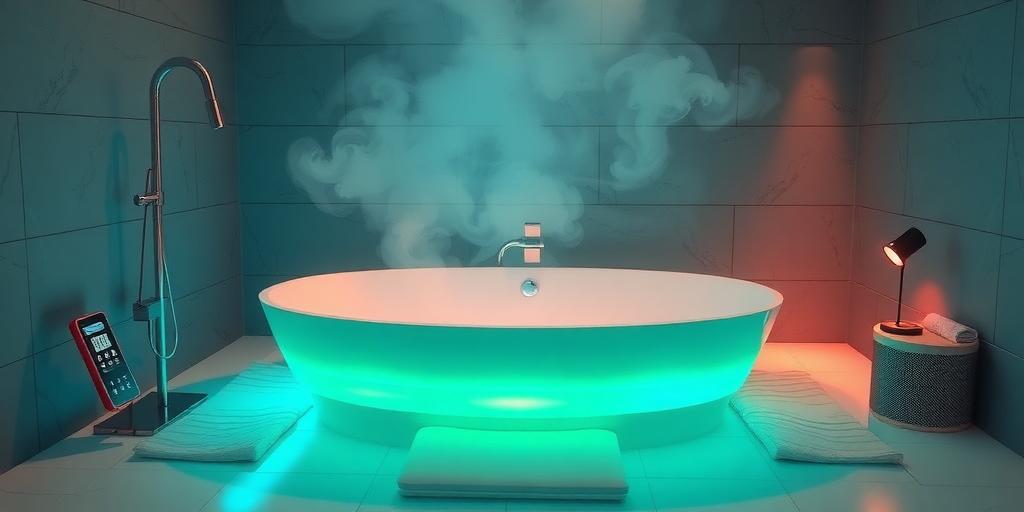
In 2025, bathroom design is shifting toward creating personal retreats that prioritize relaxation and wellness. This evolution is marked by the incorporation of features such as aromatherapy and mood lighting, which enhance the overall bathing experience. Natural elements like plants and stones are increasingly used to foster a spa-like environment, helping to create a calming atmosphere in even the tiniest of spaces.
Smart technology is also making waves, allowing homeowners to personalize their bathing routines through features like temperature control and built-in speakers. This innovation promotes a luxurious experience, making baths not just a necessity but a cherished ritual.
Sustainability remains a crucial focus, with designs emphasizing water conservation and the use of eco-friendly materials. Homeowners are drawn to minimalist aesthetics that favor open spaces and clean lines, creating a sense of tranquility. Larger windows or skylights are being integrated to invite natural light, further enhancing the inviting feel of small bathrooms.
To optimize space, multifunctional furniture is being embraced. This includes floating vanities and built-ins that make the most of vertical space. Tactile elements, like textured tiles, add depth and visual interest, while the use of non-toxic materials ensures a healthier indoor environment. Neutral color palettes paired with bold accents are trending, striking a balance between modern style and comfort.
2. Bathtub Design Trends for Small Spaces
Freestanding bathtubs are becoming a beloved choice in tiny bathrooms, acting as statement pieces that inject personality and charm into compact settings. They can serve as a focal point, transforming an ordinary space into a stylish retreat. Compact soaking tubs are also gaining traction, designed specifically to fit snugly into limited areas while still providing a comfortable bathing experience. These tubs often feature sleek lines and inviting contours, ensuring that you don’t have to compromise on style for space.
Another innovative option is the corner bathtub, which makes the most of often-overlooked areas in small bathrooms. This design creates a cozy nook for relaxation, effectively utilizing every inch of space. Alternatively, drop-in tubs offer flexibility, allowing homeowners to create customized surrounds that seamlessly blend with existing decor. They can easily adapt to various styles, from modern to traditional.
Tub-shower combos remain a favorite among homeowners for their practicality, maximizing functionality without taking up too much room. By combining a tub and shower, these designs cater to various bathing preferences while conserving space. Wall-mounted faucets are also trending, freeing up valuable area around the tub, which makes cleaning simpler and enhances the overall aesthetic.
For added convenience, built-in storage shelves around bathtubs can help keep essentials organized, reducing clutter and maintaining a tidy appearance. Slim, elongated tub designs are perfect for creating the illusion of more space, providing both style and functionality. Curved tub shapes can soften the angular lines often found in smaller bathrooms, contributing to a more inviting atmosphere. Finally, unique shapes like oval or asymmetric tubs can add a touch of whimsy, making a small bathroom feel more personalized and less cramped.
- Freestanding bathtubs are often used as statement pieces that add character to small bathrooms.
- Compact soaking tubs are designed to fit in tight spaces while providing comfort and style.
- Corner bathtubs utilize often wasted space and can create a cozy bathing nook.
- Drop-in tubs offer versatility, allowing for customized surrounds and easier integration with existing decor.
- Tub-shower combos remain popular for their practicality in maximizing space.
- Wall-mounted faucets free up space around the tub area, making cleaning easier.
- Built-in storage shelves around bathtubs can keep essentials organized without cluttering the space.
- Slim, elongated tub designs can create the illusion of more space while still offering functionality.
- Curved tub designs can soften angular bathroom layouts, creating a more inviting atmosphere.
- Innovative shapes, like oval or asymmetric tubs, can add a unique touch to small bathrooms.
3. Popular Materials for Tiny Bathtubs
Acrylic bathtubs stand out for their lightweight nature and ease of maintenance, making them a top choice for small spaces. They come in various shapes and sizes, allowing homeowners to find the perfect fit for their unique bathroom layout. Stone resin is becoming increasingly popular, known for its durability and luxurious feel, often resembling natural stone without the weight. For those on a budget, fiberglass offers a flexible design and straightforward installation, making it a practical option. Porcelain enamel on steel remains a classic, providing a timeless look and impressive durability.
Wooden bathtubs are gaining traction, bringing a warm, natural aesthetic that can soften the modern look of a tiny bathroom. Composite materials, which blend different elements, create stylish and versatile options tailored to contemporary designs. Additionally, ceramic tiles can enhance the look of tub surrounds while ensuring waterproofing. Metal accents, such as brushed nickel or matte black finishes, add a modern touch and complement minimalist designs. Eco-friendly materials, including recycled composites, are also appealing for those seeking sustainable solutions. Finally, while rare, glass bathtubs can inject a unique flair into small spaces, creating an eye-catching focal point.
| Material | Description | Advantages | Disadvantages |
|---|---|---|---|
| Acrylic | Lightweight and versatile material, available in various shapes and sizes. | Easy to maintain, wide design options, affordable. | Can fade over time, less durable than some other materials. |
| Stone Resin | Durable material that mimics natural stone, providing a luxurious feel. | Aesthetic appeal, robust construction, good heat retention. | Heavier, may require additional support for installation. |
| Fiberglass | Budget-friendly and flexible, allows for various designs. | Lightweight, easy to install, low cost. | Less durable than other materials, can be prone to scratches. |
| Porcelain Enamel on Steel | Classic durable option, known for its timeless look. | Highly durable, easy to clean, good heat retention. | Heavy, can chip if dropped. |
| Wooden | Natural aesthetic providing a warm look for modern spaces. | Unique style, environmentally friendly option with proper treatments. | Requires regular maintenance, can be costly. |
| Composite Materials | Blends multiple elements for versatile options. | Durable, often eco-friendly, can offer unique designs. | Quality varies, may not have the same appeal as natural materials. |
| Ceramic Tiles | Used in tub surrounds, enhancing aesthetics and waterproofing. | Available in various designs, easy to clean, durable. | Grout can stain, requires regular maintenance. |
| Metal Accents | Adds a modern touch, especially in minimalist designs. | Durable, unique aesthetic. | Can be more expensive, may corrode if not treated. |
| Eco-friendly Materials | Recycled or sustainable materials for a reduced environmental impact. | Supports sustainability, can enhance indoor air quality. | Availability can vary, may be more expensive. |
| Glass | Rare but offers a contemporary and unique flair. | Stylish and modern aesthetic, can create an illusion of space. | Fragile, costly, requires specialized installation. |
4. Color and Finish Trends in 2025
In 2025, color and finish trends for tiny bathrooms are shifting towards softer palettes and more textured surfaces. Soft, pastel colors are gaining traction, creating a soothing and serene atmosphere that complements the need for relaxation in small spaces. Meanwhile, matte finishes are preferred over glossy ones, offering a modern and understated elegance that appeals to many homeowners. Jewel tones like emerald green and deep blue are also making waves, serving as bold statements that can elevate a bathroom’s aesthetic without overwhelming it.
Mixing different finishes, such as matte and shiny, can add visual interest and depth to the design. Natural colors, inspired by the beauty of nature, are favored for their calming effects, helping to create a peaceful retreat. Black fixtures and bathtubs are becoming standout features in contemporary designs, drawing attention and adding a touch of sophistication. Textured finishes enhance the overall aesthetic by providing a tactile element that engages the senses.
Additionally, two-tone color schemes are trending, allowing homeowners to create contrast and highlight specific areas, while bright accents can invigorate the space without feeling overpowering. Earthy tones continue to be popular for their ability to harmonize with natural materials, fostering a warm and inviting ambiance in tiny bathrooms.
5. Smart Features for Modern Bathtubs
Smart features are transforming modern bathtubs into luxurious experiences. Temperature control options allow users to set their preferred water temperature, ensuring a comfortable soak every time. Built-in speakers can enhance relaxation, letting you enjoy your favorite music or audiobooks while you unwind. Mood lighting options are also becoming popular, enabling users to create the perfect ambiance based on their feelings or time of day.
Convenience is key, and water fill control through apps or voice commands adds a layer of luxury. Imagine preparing your bath from the comfort of your couch, or using voice commands to fill the tub just right. Additionally, self-cleaning features are being integrated into many bathtub designs, simplifying maintenance and keeping your space fresh with minimal effort.
Safety is another priority, with water level sensors designed to prevent overflow accidents, ensuring a worry-free bathing experience. For those looking for a spa-like atmosphere at home, remote-controlled jets and bubbles can elevate your relaxation, making every bath feel like a getaway.
Programmable settings allow users to prepare baths in advance, saving time during busy evenings. Integration with home automation systems further streamlines the user experience, making it easy to manage your bath alongside other smart home features. Lastly, smart water-saving technologies help reduce water usage without sacrificing performance, aligning with the growing focus on sustainability in design.
6. Eco-Friendly Innovations in Bathtub Design
Eco-friendly innovations are shaping bathtub designs for tiny bathrooms in 2025. Water-saving bathtubs are at the forefront, engineered to use less water without compromising comfort. These designs ensure you can enjoy a relaxing soak while being mindful of water conservation. Additionally, many bathtubs now incorporate recycled materials, promoting sustainability and reducing environmental impact. This shift not only supports eco-friendly practices but also offers unique aesthetics, with materials that tell a story of responsible sourcing.
Energy-efficient heating systems are becoming standard, significantly lowering energy consumption during use. When paired with low-flow faucets and shower heads, they create a cohesive, sustainable bathing experience. The use of natural materials, such as bamboo, is also on the rise. Bamboo is not only sustainable but adds a warm, inviting look that enhances the overall bathroom ambiance.
To maintain these eco-friendly designs, biodegradable cleaning products are recommended, ensuring that your cleaning methods align with your sustainability goals. Furthermore, manufacturers are increasingly focused on reducing their carbon footprint in production. By utilizing local materials, they minimize transportation emissions and support local economies, which is an added bonus for eco-conscious homeowners.
Innovative designs are emerging that capture and reuse water, making them highly efficient. This creativity in design encourages users to embrace sustainable practices. Educating consumers about these eco-friendly choices is essential for promoting a greener lifestyle, making the bathtub not just a functional piece but a statement of commitment to the environment.
7. Coordinating Bathtubs with Overall Bathroom Style
Coordinating your bathtub with the overall style of your bathroom can significantly enhance the space’s harmony and appeal. Start by selecting materials that complement the fixtures around the bathtub, such as ceramic tiles or wooden vanities. This creates a cohesive look that feels intentional. Next, consider the color palette for your bathroom. A consistent color scheme across all elements, from the bathtub to the walls and accessories, can unify the design and make the space feel larger.
It’s also essential to align the style of your bathtub with the overall theme of the bathroom, whether modern, vintage, or eclectic. For instance, a sleek, freestanding tub works beautifully in a contemporary setting, while a clawfoot tub can add charm to a more traditional space. Mixing styles can add intrigue, but it should be done carefully to avoid a cluttered appearance.
Textural harmony plays a role too; using similar textures in your bathtub and surrounding decor can create a soothing atmosphere. Think about incorporating matching accessories, like towel racks or shelves, to enhance the design further. Additionally, having a focal point, such as an eye-catching bathtub, can help tie the elements together effectively.
Don’t forget about lighting, which can highlight your bathtub as a central feature, making it stand out even in a tiny bathroom. Decorative elements, like artwork or potted plants, can also enhance the overall design, drawing attention to the bathing area while maintaining an inviting ambiance.
8. Storage Solutions for Tiny Bathrooms
Storage is crucial in tiny bathrooms, where every inch counts. Floating shelves are a great option, allowing you to display toiletries and decor without occupying floor space. Built-in cabinets or niches around the bathtub can neatly store essentials, making them easily accessible. Utilizing vertical cabinets helps maximize wall space, keeping everything organized and out of the way. Consider multi-functional furniture, such as benches that offer storage; they enhance utility without crowding the area. Under-sink storage can be optimized with organizers, turning a cluttered space into a tidy one. Magnetic strips are perfect for holding small tools and accessories, which helps free up valuable counter space. Stylish baskets and bins can provide functional storage while adding a touch of decor. Over-the-toilet shelving takes advantage of otherwise wasted space, creating additional storage options. Wall hooks are useful for keeping towels and robes handy without sacrificing space. Lastly, incorporating hidden storage, like drawers within vanities, maintains a clean and streamlined appearance, making tiny bathrooms feel more spacious.
9. Luxurious Accessories for Small Spaces
Incorporating luxurious accessories can transform a tiny bathroom into a cozy retreat. Heated towel racks, for example, not only provide warmth but also enhance comfort, making your bathing experience feel more indulgent. Designer faucets can elevate the aesthetics of your bathtub, creating a striking focal point that complements the overall design. Adding plush bath mats and high-quality towels introduces both comfort and a splash of color, enriching the visual appeal of the space.
Candles are another simple yet effective way to create a relaxing atmosphere. Their soft glow can make bath time feel like a spa experience. Consider enhancing the area around your bathtub with artwork or decorative mirrors; these elements can significantly boost the aesthetic charm while also reflecting light to make the space feel larger.
To further elevate your bathing experience, invest in quality bath salts and oils. These can provide a soothing, spa-like ambiance right at home. Stylish storage baskets can help keep your essentials organized while adding a touch of charm. Incorporating greenery, such as small potted plants, not only beautifies the space but also improves air quality. Personalizing the area with monogrammed towels can make it feel uniquely yours. Lastly, opt for luxury shower curtains or screens that not only serve a functional purpose but also enhance the overall design of your tiny bathroom.
10. Designing with Abzzo: Expert Help and Resources
Abzzo is a game-changer for homeowners looking to design their tiny bathrooms. It offers personalized design consultations through video calls with architects and interior designers, allowing for tailored advice that fits individual needs. This one-on-one interaction helps clarify design visions, making the renovation process smoother. The platform also features a marketplace with a variety of interior design products available at wholesale rates, simplifying the sourcing of materials and fixtures.
In addition to direct consultations, Abzzo provides a wealth of resources, including articles and a library that inspires design decisions. Homeowners can visualize their designs using tools offered by the platform, which helps in effective planning of limited spaces. Networking with other homeowners on Abzzo can also spark new ideas and insights for successful renovations.
Moreover, professionals on the platform can guide users through the entire renovation process, ensuring that every step is handled efficiently. Homeowners can stay informed about the latest trends and innovations, allowing them to incorporate modern elements into their tiny bathrooms. Collaboration is key at Abzzo, enabling homeowners to work closely with designers for a shared vision.
Budget management is another crucial aspect where Abzzo excels. The platform assists users in staying within financial limits while achieving their design goals, making it a valuable resource for those looking to create beautiful, functional spaces without overspending.
Frequently Asked Questions
What are the best bathtub shapes for small bathrooms?
The best bathtub shapes for small bathrooms include corner tubs, oval tubs, and freestanding models that save space while still offering comfort.
How can I make a small bathroom feel bigger with a bathtub?
To make a small bathroom feel bigger, use a bathtub with light colors, clear glass shower doors, and a streamlined design to create an open and airy look.
Are there bathtubs designed for small spaces?
Yes, there are many bathtubs designed specifically for small spaces, such as compact models and corner bathtubs that fit snugly into tight corners.
What materials are ideal for bathtubs in tiny bathrooms?
Ideal materials for bathtubs in tiny bathrooms include acrylic for its light weight, ceramic for its durability, and composite materials for their versatile design options.
How do I maintain a bathtub in a tiny bathroom?
To maintain a bathtub in a tiny bathroom, clean it regularly with gentle cleaners, avoid harsh chemicals, and ensure good ventilation to prevent mold and mildew.
TL;DR In 2025, bathroom designs focus on creating personal retreats with an emphasis on relaxation and eco-friendliness. Popular trends for tiny bathtubs include freestanding models and compact designs, along with materials like acrylic and stone for durability and aesthetic appeal. Bold colors and smart features, such as temperature control and mood lighting, enhance the bathing experience. Eco-innovations prioritize water-saving designs and energy efficiency. Accessories like heated towel racks add luxury without compromising space. For expert design help and resources, platforms like abzzo.com offer valuable assistance.


