

Creating a modern living room can be really fun and exciting if you have the right tips. Start by choosing furniture that works for your daily life, and stick to neutral colors with some colorful accents for personality. Mixing different lighting styles adds ambiance while defining spaces with appropriately sized rugs creates warmth. Keep walkways clear to maintain easy movement around the room, balance decor items by varying shapes and sizes, and don’t hesitate to add personal touches like artwork or plants. With 75 handy pointers to guide you, your living room can beautifully reflect your style while staying functional.
1. Choose Functional Furniture for Your Lifestyle

Credits: cityhomepdx.com
When selecting furniture for your living room, think about how you use the space daily. If you enjoy reading, a comfortable chair and good lighting are essential. For those who entertain often, consider a sofa bed for accommodating guests, or an ottoman that doubles as storage. Durability is crucial, especially in homes with kids or pets, so opt for sturdy pieces that can handle everyday wear and tear. Easy-to-clean materials like leather or performance fabrics can help maintain your furniture’s appearance over time.
Evaluate the size of your living room to ensure your furniture fits well without making the space feel cramped. Ergonomic chairs and modular sofas can enhance comfort and flexibility, allowing you to rearrange them for different activities or gatherings. Your furniture should also reflect your personal style, whether it leans towards modern, rustic, or eclectic. Prioritize items that offer adequate storage to help keep your living room organized. Lastly, think about your lifestyle changes in the future: choose versatile furniture that can adapt as your needs evolve.
| Tip Number | Tip Description |
|---|---|
| 1 | Consider your daily activities when selecting furniture, like reading, entertaining, or relaxing. |
| 2 | Opt for furniture pieces that serve multiple purposes, such as a sofa bed or an ottoman with storage. |
| 3 | Choose sturdy furniture that can withstand daily wear and tear, especially if you have kids or pets. |
| 4 | Select pieces that are easy to clean and maintain, like leather or performance fabrics. |
| 5 | Evaluate the size of your space, ensuring that the furniture fits without overwhelming the room. |
| 6 | Look for furniture that encourages comfort, like ergonomic chairs or modular sofas. |
| 7 | Incorporate furniture that suits your personal style, whether it’s modern, rustic, or eclectic. |
| 8 | Prioritize pieces that provide adequate storage to keep the space organized. |
| 9 | Select furniture that can be easily rearranged to accommodate different activities or gatherings. |
| 10 | Consider the timeline of your lifestyle changes; choose furniture that can adapt as your needs evolve. |
2. Stick to a Neutral Color Palette with Accents
A neutral color palette serves as a calming foundation for your living room, creating a space that feels inviting and serene. Warm neutrals, such as beige and taupe, can evoke a cozy atmosphere, while cool neutrals like gray and white lend a contemporary edge. To bring personality into the room, colorful accents can be introduced through pillows, wall art, and decorative pieces, ensuring these elements pop against the more subdued background.
Select accent colors that resonate with your interests or experiences, making the space feel personal and unique. For larger furniture items like sofas and rugs, choose a consistent color theme to maintain harmony throughout the room. Additionally, consider seasonal changes; swapping out accent colors can refresh the look as trends evolve.
Using different shades of the same color not only creates depth but also keeps the palette cohesive. Balancing bold colors with soft neutrals is key to retaining a tranquil environment. To add further dimension, incorporate various textures in neutral shades, which can enhance visual interest without relying solely on color. When selecting accent pieces, ensure they complement your main palette to create a unified and pleasing aesthetic.
- Use neutral colors as a base to create a calming environment that allows accents to shine.
- Choose warm neutrals like beige and taupe for a cozy feel, or cool neutrals like gray and white for a modern touch.
- Incorporate colorful accents through pillows, art, and decor to add personality without overwhelming the space.
- Use accent colors that resonate with your interests or experiences to make the space feel personal.
- Choose a consistent color theme for larger pieces, like sofas and rugs, to create harmony in the room.
- Consider seasonal changes; switch out accent colors to refresh the space as trends evolve.
- Use different shades of the same color for depth and interest without straying from the palette.
3. Use Mixed Lighting for Ambiance
Creating the right ambiance in your living room can transform it into a welcoming sanctuary. One effective way to achieve this is by layering different types of lighting: ambient, task, and accent. Ambient lighting serves as the room’s primary light source, while task lighting, such as floor lamps and table lamps, helps to create cozy spots perfect for reading or relaxing. Dimmable light fixtures can further enhance this effect, allowing you to adjust brightness according to the time of day or your mood.
Incorporating decorative light fixtures, like hanging pendants or chandeliers, not only provides light but also acts as a focal point in your decor. Wall sconces are another great option; they free up floor space while adding a warm glow to your walls, enhancing the overall atmosphere.
Maximizing natural light is also crucial. Keep your window treatments light and airy during the day to allow sunlight to fill the room. When choosing light bulbs, opt for LED varieties, which are energy-efficient and come in various color temperatures to fit your needs.
Consider the placement of your light sources to avoid harsh shadows or glare. For a whimsical touch, string lights or fairy lights can be draped around nooks or artwork, adding charm and personality. Finally, don’t hesitate to mix different lighting styles, such as modern and vintage, to create a unique look that reflects your personal style.
4. Ensure Proper Rug Sizing for Definition

Credits: froy.com
Choosing the right size rug is essential for creating a defined and inviting living room space. Ideally, the rug should accommodate the seating area, allowing at least the front legs of all furniture to sit on it. This helps in anchoring the furniture and creating a cohesive look. For larger living rooms, consider using multiple rugs to delineate different zones; this adds visual interest and functionality. When selecting a rug, make sure it complements the color and style of your furniture to enhance the overall aesthetic. Round rugs can be a great choice to soften angular furniture arrangements, adding a touch of warmth.
Material choice is also crucial; opt for durable rugs in high-traffic areas to withstand everyday use. Layering rugs can introduce additional texture and warmth, especially on hard surfaces. It’s important that the rug lies flat to prevent tripping hazards in walkways, and using a rug pad can provide cushioning and prevent slipping. Always take measurements before purchasing to ensure the rug fits your space perfectly, making your living room both stylish and functional.
5. Maintain Clear Walkways for Movement
Creating clear walkways in your living room is essential for both safety and ease of movement. Aim for pathways that are at least 30 inches wide, allowing guests to navigate comfortably around furniture. When positioning your furniture, keep it away from walkways to prevent any obstruction. Overcrowding the space with too many pieces can disrupt the flow, so it is wise to maintain a sense of openness. Arrange seating in a way that encourages conversation while still allowing for easy access. Ensure that decorative items are off the floor to minimize tripping hazards, and consider using furniture with rounded edges in high-traffic areas to enhance safety. Larger pieces should ideally be placed against walls, which helps maximize space in the center of the room. Assess how movement flows from one room to another, ensuring smooth transitions. Regularly reassess your layout to accommodate changes in usage or traffic patterns, making your living room both functional and welcoming.
6. Balance Decor by Mixing Shapes and Sizes
Mixing shapes and sizes in your living room decor can create an engaging visual experience. For instance, pairing a round coffee table with a square sofa can draw the eye and keep the space interesting. Varying heights in decor pieces, such as using tall vases alongside low coffee tables, adds depth and keeps the viewer’s attention moving. Incorporating both large statement items and smaller accents can help achieve a layered look, making the room feel more dynamic and inviting.
Balancing heavier furniture with lighter decor elements, like airy curtains or delicate accessories, offers a pleasing contrast that enhances the overall aesthetic. Mixing materials, such as metal, wood, and glass, can also contribute to a diverse and appealing look. When arranging decor items, consider grouping them in odd numbers, like clusters of three or five, which often feel more natural and visually appealing.
It’s essential to distribute larger items evenly throughout the space to create visual weight balance. Opt for symmetry if you seek a more formal appearance, while asymmetrical arrangements can add a casual and relaxed feel. Further, using color and texture can enhance the balance of shapes, making the room feel cohesive. Regularly assess the overall composition and make adjustments as needed to maintain harmony in your living room decor.
7. Incorporate Art and Plants for Personal Touch

Credits: decormatters.com
Art and plants can truly transform your living room, adding a personal touch that reflects your style and personality. Select artwork that resonates with you, whether it’s a vibrant painting, a striking photograph, or a unique sculpture. Consider creating a gallery wall, mixing different pieces to add depth and character to the space. This personal collection can tell your story and create a conversation starter for guests.
Incorporating plants is another great way to inject life and color into your living room. Choose a variety of plants, from small succulents to larger foliage, to create visual interest. If you have a busy lifestyle or limited natural light, opt for low-maintenance plants like snake plants or pothos. Decorative pots can enhance your decor style, so choose ones that complement your overall aesthetic. To keep things fresh, consider rotating your art and plants seasonally, which can give your living room a new vibe throughout the year.
When placing art and plants, think about their arrangement. Ensure they can be appreciated without overwhelming the space. Wall-mounted planters or shelves are excellent for saving floor space while adding greenery. This thoughtful integration of art and plants not only beautifies your living room but also creates an inviting atmosphere.
8. Arrange Seating for Conversation, Not Linear Layouts
To foster a welcoming atmosphere in your living room, arrange seating to encourage conversation rather than lining up sofas and chairs in straight rows. Position your sofas and chairs to face each other, creating a cozy nook where friends and family can easily engage. Opt for circular or U-shaped layouts that invite interaction, making it easy for everyone to join the discussion. Incorporate informal seating options like poufs or floor cushions, which can add a relaxed vibe and create a more casual setting.
When arranging your furniture, think about how conversations will flow. Keep seating close enough so that everyone can be part of the dialogue, avoiding large gaps that can make it feel disconnected. A central coffee table or ottoman can serve as a functional hub for snacks and drinks, enhancing the social experience during gatherings. Don’t hesitate to experiment with different layouts; sometimes, a simple adjustment can transform the room’s energy.
Including accent chairs can provide additional seating without overcrowding the main area, allowing for flexibility in your arrangement. Use area rugs to visually define the seating space, which can enhance intimacy and comfort. Remember to reassess your seating arrangements regularly, adapting them based on how you use the space, whether for entertaining guests or enjoying quiet evenings at home.
9. Use Furniture to Define Areas in Open Spaces
In open spaces, using furniture effectively can help define different areas without making the room feel closed off. For example, a sofa can mark the living area while a console table can signal the entryway. Bookshelves or room dividers are also great tools for creating separation; they can provide privacy while still allowing light and visibility to flow through. Multi-functional pieces, like folding tables, can adapt to various needs, whether you’re entertaining guests or enjoying a quiet evening at home.
Arranging furniture thoughtfully can guide the eye and direct movement through the space, making it feel cohesive. Rugs can visually separate areas, such as the dining zone from the living area, while different colors or textures can further distinguish each space. Pay attention to the overall flow when selecting furniture; it should connect the areas harmoniously.
Incorporate lighting strategically to differentiate spaces: soft lighting works well for relaxation areas, while brighter lights are ideal for tasks. The height of the furniture also plays a role; lower pieces create an open feel, while taller items provide definition. Regularly assess how well these defined areas serve your lifestyle and be open to making adjustments as your needs evolve.
10. Consider Technology Integration in Your Design
Credits: missionaudiovideo.com
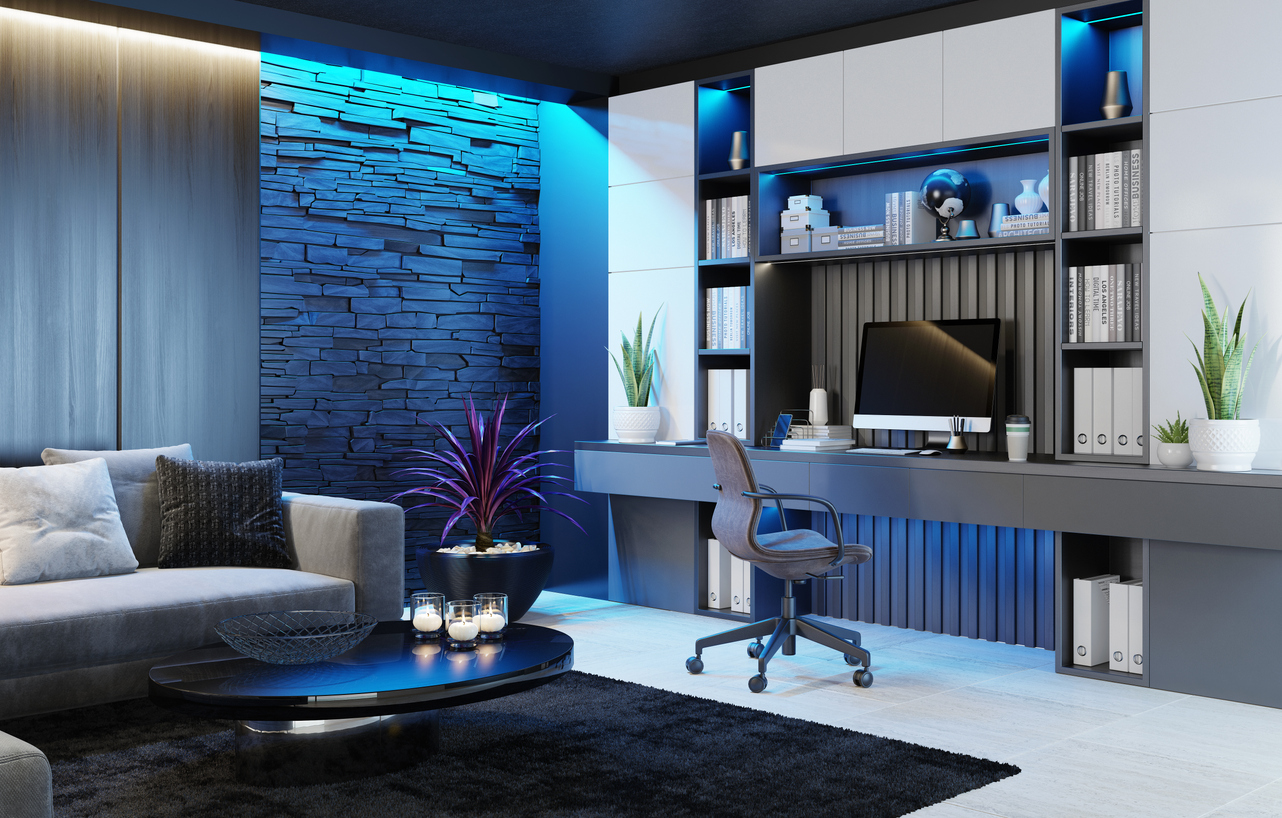
In today’s living rooms, technology plays a crucial role in enhancing both functionality and style. When selecting furniture, opt for pieces that accommodate tech needs, such as media consoles or TV stands equipped with cable management systems. This helps keep cords organized and out of sight, contributing to a clean look. Additionally, consider incorporating charging stations into your furniture, allowing you to keep devices accessible while maintaining an orderly space.
Designating specific areas for tech use, like a small desk or nook, can create a functional workspace within your living room, helping you blend work and relaxation harmoniously. Embracing wireless technology is another great way to minimize clutter, as it allows for a sleek design without the need for multiple cables and connections.
Smart lighting options, which can be controlled via apps, add both convenience and ambiance to your living room. You can adjust the lighting to suit your mood or activity, enhancing the overall experience. Furthermore, built-in speakers or sound systems provide high-quality audio for entertainment without the bulk of traditional equipment.
When designing your living room, ensure that access to power outlets is convenient for all your electronic devices, making it easy to charge or plug in as needed. Finally, regularly update your technology and furniture to keep your space modern and functional. By thoughtfully integrating technology into your design, you can create a living room that is not only stylish but also highly functional.
11. Connect with Professionals via Abzzo.com
Connecting with professionals through Abzzo.com can significantly elevate your living room design journey. This platform offers a range of design services provided by experts who understand the intricacies of modern interior design. You can find interior designers that align with your personal style, ensuring the final look resonates with your vision and preferences. Abzzo.com also provides access to professional advice regarding layout and functionality, which is essential in creating a space that feels both stylish and practical.
By joining forums or groups on the site, you can discuss ideas and gather insights from other users and professionals, which can inspire your design choices. Networking with suppliers through Abzzo.com may also lead to exclusive deals on materials that can enhance the overall feel of your living room. Participating in workshops offered by the platform can further enhance your design knowledge, giving you skills that can be applied in your project.
If you have specific ideas but need help refining them, you can request consultations with professionals who can guide you in realizing your vision. Keeping up with industry trends is easy, as Abzzo.com features numerous blogs and articles that provide the latest insights. Additionally, the platform offers valuable resources for project management and planning, making it easier to stay organized throughout the design process. Moreover, accessing a comprehensive directory of professionals for various design needs ensures that you can find the right help when you need it.
12. Access Wholesale Design Products through Abzzo.com
Abzzo.com is a fantastic resource for anyone looking to elevate their living room design without breaking the bank. With a wide range of furniture and decor available at competitive prices, you can explore unique items that you might not find in traditional retail stores. This platform also offers bulk purchasing options, making it easy to furnish larger spaces or buy multiple items at once.
Staying updated on sales and discounts is simple, allowing you to access wholesale items at even better prices. You can compare products to ensure you’re getting the best value for your budget. Additionally, Abzzo.com keeps you informed about the latest trends in design materials, helping you make choices that are both stylish and current.
Reading reviews from other customers can help you gauge the quality of items before you make a purchase. For those seeking inspiration, curated collections on the site showcase various styles and themes that can spark your creativity. If you’re mindful of the environment, you can also find eco-friendly options available through their wholesalers.
Lastly, if you have specific needs or want something custom-made, connecting with vendors on Abzzo.com can lead to personalized solutions that fit your vision perfectly.
13. Layer Textures for Visual Interest
Credits: clouzhouz.com
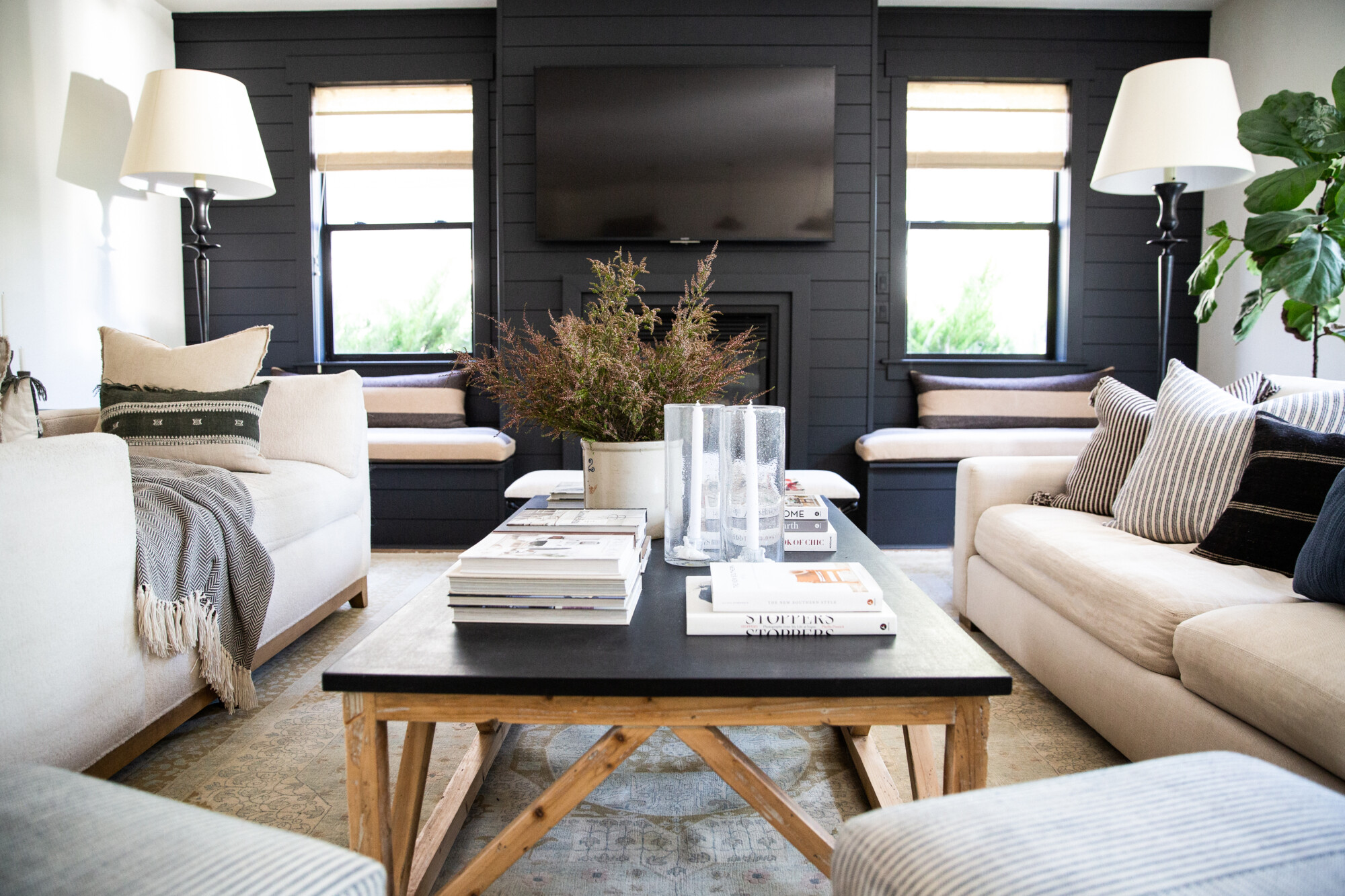
Layering textures is an effective way to create visual interest in your living room. Start by combining different materials such as wood, metal, and fabric to add depth. For instance, a wooden coffee table paired with metal side tables can offer a striking contrast. Use throw pillows and blankets in varying fabrics, like velvet and cotton, to invite touch and comfort. Rugs with different textures and patterns can anchor the room and contribute to a cozy atmosphere. Decorative objects made from glass, ceramic, or stone can add unique elements that catch the eye.
Experiment with wall finishes such as paint, wallpaper, or textured panels to enhance the overall look. Introduce natural textures with plants; they not only add life but also soften hard surfaces. When selecting furniture, opt for pieces that incorporate mixed materials to create a layered effect. Soft textiles alongside harder surfaces create a balanced and inviting space. Layering artwork can also evoke a dynamic feel, whether it’s a gallery wall or a bold centerpiece. Lastly, consider the texture of your lighting fixtures, as they can enhance the ambiance and play a role in how textures are perceived in the room.
14. Change Decor Seasonally for a Fresh Look
Changing your decor with the seasons can breathe new life into your living room. One easy way to do this is by swapping out decorative pillows and throws for colors that reflect the season, like warm oranges and browns in fall or bright pastels in spring. Seasonal flowers or plants can also add a lively touch, bringing nature indoors and enhancing the ambiance.
Consider changing artwork or wall hangings to match seasonal themes, such as vibrant landscapes in summer or cozy winter scenes. Scent plays a significant role in creating a seasonal atmosphere; introducing new candles or diffusers that align with the time of year can make your space feel fresh and inviting.
Rotating decor items regularly keeps the environment feeling new and exciting, while seasonal lighting options can help set different moods, from soft and warm in winter to bright and airy in summer. Don’t forget to incorporate festive holiday decor for a cheerful vibe during celebrations.
To maintain a clean look, store off-season items, decluttering your space and allowing your seasonal updates to shine. Incorporating seasonal colors into your textiles and decor will harmonize with your lifestyle changes, ensuring your living room always feels relevant and engaging.
15. Use Decorative Trays for Surface Organization
Decorative trays can transform your living room by providing both organization and style. Grouping items like candles, coasters, and remotes on trays not only keeps surfaces tidy but also adds a decorative touch. When selecting trays, choose ones that complement your decor style, whether it’s modern, rustic, or eclectic. Different sizes of trays can be used on various surfaces, allowing for versatility in design.
Creating themed trays can unify your decor, making it visually cohesive. For example, a summer-themed tray might include seashells, a small vase of flowers, and bright coasters, while a cozy winter tray could feature candles, pinecones, and warm-colored accents. Trays can also serve as focal points on coffee tables or consoles, drawing the eye and adding interest.
To keep your decor fresh, consider changing the contents of trays seasonally. This not only brings variety but also allows you to adapt to different moods and occasions. Trays are excellent for containing small items, helping to keep your space organized and clutter-free. If you need to move items, trays with handles make transportation easy.
Mixing materials, such as wood with metal or ceramic, enhances the visual appeal of your decor. Additionally, using trays to define spaces on larger surfaces can create a more organized look, making your living room feel more intentional and thoughtfully designed.
16. Add Black Accents for Contrast and Balance

Credits: housebeautiful.com
Incorporating black accents in your living room can create a striking contrast that brings depth and balance to your space. Consider adding black furniture pieces, such as a sleek coffee table or a modern sofa, to make a bold statement. Black picture frames can effectively tie in your artwork, while black accessories like vases or bowls add interest without overwhelming the decor. For a contemporary vibe, opt for black lighting fixtures that not only illuminate but also serve as stylish decor elements. You can even use black in textiles, such as throw pillows or rugs, to introduce texture and comfort.
To maintain harmony, balance these black accents with lighter colors, think soft whites or light grays, to ensure the room doesn’t feel too dark. If you’re looking to create drama, a black accent wall can serve as a stunning focal point. Additionally, selecting black hardware for cabinetry can enhance the overall design continuity. Layering black elements with other colors adds depth and can make the room feel more dynamic. Finally, utilize black in art pieces to draw attention and create visual interest, making your living room both modern and inviting.
17. Use Oversized Rugs to Anchor Seating Areas
Using oversized rugs in your living room can really help to create a cohesive look and feel. Choose rugs that are large enough to fit under your furniture, as this not only ties the space together but also provides stability. Aim for at least 12 inches of rug under your furniture to give it a grounded feel. Consider the shape of the rug based on your seating arrangement; for instance, a rectangular rug works well with linear seating, while a round rug can soften angular layouts.
Color and pattern play a vital role too. Opt for colors or patterns that unify the space while reflecting your style. In open floor plans, rugs can define separate areas, making a large room feel more intimate. For added texture, layer smaller rugs on top of larger ones; this can create a bohemian vibe and enhance comfort.
Durability is key as well, so select rugs made from materials that can withstand daily use. Lastly, think about the flow of the room when placing rugs, as this will ensure a comfortable and inviting space.
18. Keep Decorative Items Minimal to Avoid Clutter
To create a modern living room that feels open and inviting, it’s essential to keep decorative items minimal. Instead of filling shelves and surfaces with numerous small items, select a few statement pieces that truly resonate with your style. This approach not only reduces clutter but also highlights the beauty of each individual item.
Utilizing storage solutions can help hide excess decor, making your space feel more organized. Opt for multifunctional decor that serves a purpose, like a stylish basket that can store throws while also adding texture to the room. Limit collections to a few curated pieces on display, allowing each item to shine without overwhelming the space.
Regularly assess your decor and remove items that no longer fit your aesthetic. This practice keeps your living room fresh and aligned with your evolving style. Choosing larger decor items can make a bold statement, drawing the eye and enhancing the overall design. Incorporating negative space is another effective strategy to enhance visual clarity, giving your room a clean, modern look.
You can also play with color and texture to make minimal displays interesting. Seasonal changes in decor can keep your space feeling dynamic without adding excess items. Embracing simplicity allows for a sophisticated, modern environment that feels comfortable and inviting.
19. Ensure Ample Lighting from Various Sources
Credits: nordicnest.com
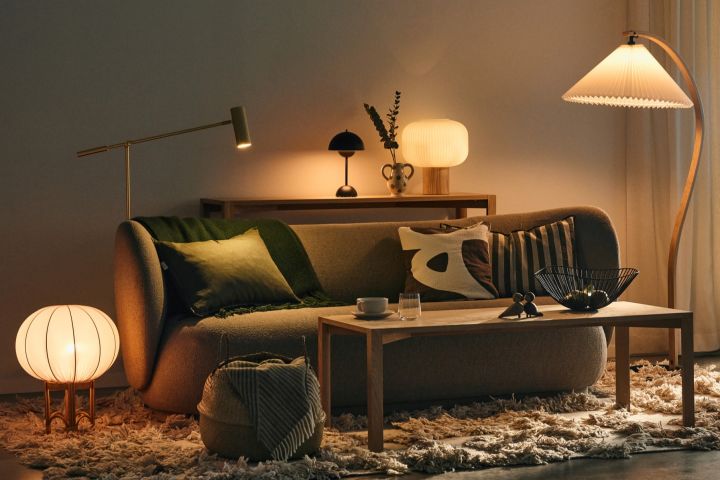
Good lighting can transform your living room into a welcoming space. Start with ambient lighting, which provides overall illumination. Consider options like ceiling fixtures or recessed lights to brighten the entire area. Next, think about task lighting for specific activities, such as reading or working. Table lamps or floor lamps are perfect for this purpose, allowing you to focus light where you need it most.
Accent lighting can add character by highlighting artwork or architectural features. Wall sconces or spotlights can draw attention to your favorite pieces, adding depth to the room. Layered lighting is key to creating warmth and visual interest, so mix different types: ambient, task, and accent, to achieve a balanced effect.
Dimmable options are great for adjusting the mood, whether you want bright light for gatherings or softer light for relaxing evenings. Don’t forget about mixing different sources, like floor lamps, table lamps, and ceiling fixtures, to create a dynamic look.
Natural light is your best friend during the day, so use sheer curtains to allow sunlight to filter in while maintaining privacy. Experiment with light placement to find the best angles that create focal points in the room. Finally, make sure all areas are well-lit to avoid dark corners, ensuring your living room feels bright and inviting.
20. Create a Focal Point in the Room
Creating a focal point in your living room can dramatically enhance its overall appeal. A standout piece, such as a fireplace or a large piece of artwork, can serve as the centerpiece, drawing the eye and anchoring the space. To emphasize this focal point, arrange your furniture in a way that directs attention toward it; for example, position seating to face the artwork or fireplace. Using color contrast can also make the focal area pop, so consider painting the wall behind your focal piece in a complementary hue.
Incorporating lighting is another effective strategy, whether it’s a stylish pendant light above or strategically placed spotlights that highlight the artwork. However, avoid overcrowding this area with too many items, as this can dilute its impact. Instead, balance the surrounding decor to support the focal point, ensuring that other elements in the room do not compete for attention.
For a more formal look, symmetry around the focal area can create a sense of order and elegance, such as flanking a fireplace with identical side tables or lamps. Additionally, experimenting with different styles can enhance the focal point, allowing it to reflect your personal taste and style. As seasons change, consider adjusting your decor while keeping the main feature intact, ensuring it remains a consistent and cherished highlight in your living room.
21. Use Mirrors to Create Illusion of Space
Using mirrors is a smart way to make your living room feel larger and more open. Opt for large mirrors that can reflect light, creating an airy atmosphere. Placing mirrors directly across from windows is particularly effective, as this amplifies the natural light entering the room. If you’re looking for a stylish touch, consider incorporating mirrored furniture, which adds depth and can elevate the overall design. Decorative frames can also help blend mirrors seamlessly with your existing decor, allowing them to serve as both functional and aesthetic pieces.
Strategically positioning mirrors can create focal points, drawing attention to certain areas of the room. If you want a unique feature wall, grouping smaller mirrors is a creative approach that adds character. Additionally, varying the heights at which you place mirrors can enhance visual interest, avoiding a monotonous appearance. Don’t forget to include mirrored accents in accessories like trays or vases, which can subtly reflect light and add sophistication. However, be cautious with overly ornate mirrors, as they can clutter the space rather than enhance it. Finally, using mirrors to enhance the view not only opens up the room but also brings the beauty of the outdoors inside.
22. Choose Furniture that Fits the Room’s Scale
Credits: houzz.com.sg
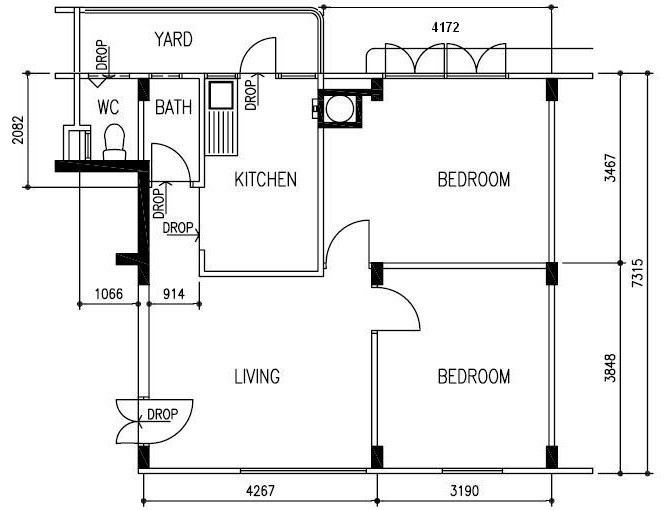
Selecting the right furniture for your living room is essential for achieving a harmonious look. Start by measuring your space before making any purchases; this helps prevent overcrowding. In smaller rooms, opt for compact furniture to maintain an open flow. For larger spaces, consider bigger pieces to create balance and avoid a sparse feel. Pay attention to the height and width of the furniture in relation to your ceiling, ensuring that it complements the room’s proportions. Multi-functional furniture is a smart choice in limited areas, allowing you to maximize the utility of your space. Modular options can adapt to your needs, making them versatile for different layouts. Comfort should be a priority, but don’t forget about style, there are plenty of chic options available that also feel good. Keep furniture proportions consistent with the architectural features of the room, and be cautious of oversized items in small areas to maintain a spacious atmosphere. Lastly, consider the visual weight of each piece, distributing heavier items evenly to create an inviting and balanced environment.
23. Incorporate Personal Items that Tell Your Story
Incorporating personal items into your living room can truly transform the space, making it a reflection of your life and experiences. Display family photos in stylish frames, allowing loved ones to be a part of your everyday environment. Travel souvenirs can serve as fantastic conversation starters, reminding you and your guests of adventures shared. Heirlooms or antiques can add a touch of history, connecting your decor to your family’s legacy. Consider hanging artwork that resonates with your interests, whether it’s a piece from a local artist or a travel-inspired canvas.
Creating a gallery wall is another wonderful way to showcase your favorite memories and artistic expressions. This can include a mix of photos, artwork, and even handmade items that carry unique stories. Books and magazines that represent your hobbies can also be displayed, inviting a sense of warmth and personality to your space. Use decorative items from significant events or milestones to evoke cherished memories, making the living room feel even more like home. Finally, choose colors and textures that reflect your personality, allowing your style to shine through in every decorative choice.
24. Use Curtains to Add Softness to Windows
Curtains can significantly enhance the atmosphere of your living room by adding a touch of softness to your windows. For a breezy and open feel, consider choosing light fabrics like linen or sheer materials that allow natural light to filter through. In contrast, if you’re decorating a bedroom, blackout curtains can provide better sleep quality by blocking out unwanted light. To infuse vibrancy into your space, opt for patterned or colorful curtains that can serve as a visual focal point.
Layering curtains is another effective design technique. Combining sheer curtains with heavier drapes can create depth and texture, making your windows appear more inviting. When selecting curtain lengths, ensure they complement the scale of your room; floor-length curtains can make a space feel taller, while shorter ones can maintain a more casual vibe.
To create the illusion of larger windows, choose curtain rods that extend beyond the window frame, this draws the eye outward. Incorporating tiebacks can also keep your curtains open during the day, allowing for natural light while maintaining a stylish look. For privacy without sacrificing light, sheer curtains are an excellent choice, providing a delicate balance.
Lastly, think about the maintenance of your selected fabric. Easy-to-clean materials can save time and effort in the long run. If you have an open-plan space, use curtains to create separation, defining areas while adding a touch of elegance.
25. Consider the Flow of Movement in the Room
Credits: makin.studio
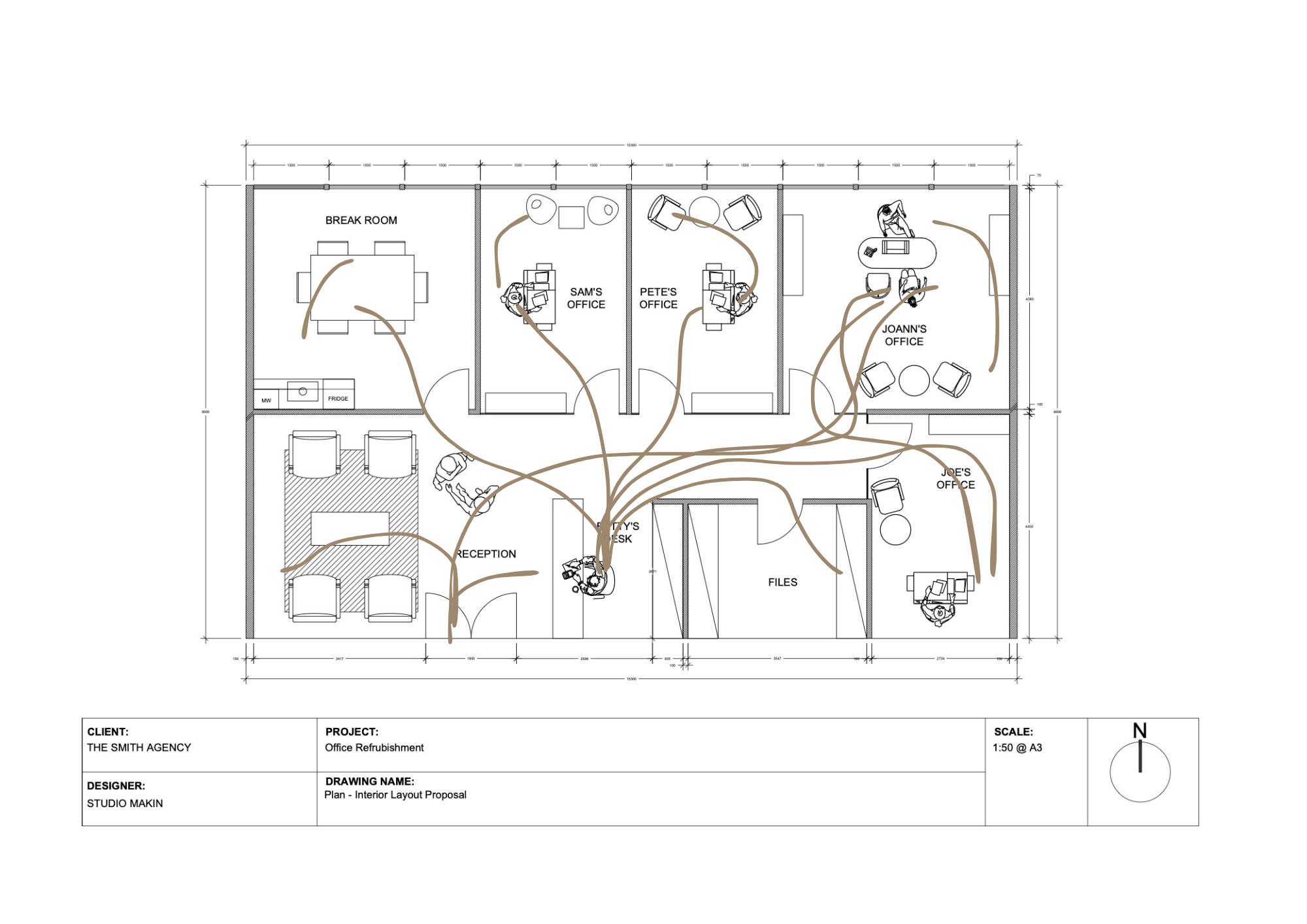
When designing your living room, it’s essential to consider how people will move through the space. Arrange furniture in a way that creates easy pathways, allowing everyone to navigate without obstacles. For instance, avoid placing large furniture pieces in front of entryways, as this can make the room feel cramped and unwelcoming. After setting up your layout, walk through the room to test if the arrangement feels comfortable and intuitive.
Creating distinct zones for various activities can also enhance flow. For example, a cozy reading nook can be separated from a social area, allowing for different experiences within the same space. Use area rugs to help define these zones while ensuring that pathways remain clear.
It is important to leave enough space between furniture pieces to prevent crowding. A natural flow encourages conversation and interaction, making your living room more inviting. Additionally, avoid placing furniture too close to the walls; this can actually inhibit movement and make the room feel less spacious. Consider common traffic patterns, and use furniture placement to guide movement through the room effectively.
26. Use Pillows and Throws for Comfort and Color
Pillows and throws can dramatically enhance your living room’s comfort and style. Opt for pillows in various sizes to create a layered look, mixing patterns and textures to add interest to your seating. Complementary colors can enhance your overall color scheme, making your space feel more cohesive. Seasonal pillows can provide a fresh update throughout the year, allowing you to change the vibe with ease. For areas with high use, like the living room, choose durable fabrics that can withstand daily wear and tear. Throws not only create a cozy atmosphere but also offer comfort on chilly days. Layer throws over sofas to introduce added texture and color. It’s easy to change pillow covers for a quick style refresh, making it simple to switch things up whenever you feel like it. Use pillows to make seating areas more inviting, encouraging relaxation and conversation. Store extra pillows and throws in stylish baskets for easy access, keeping your space organized and visually appealing.
27. Mix Furniture Styles for Character
Mixing furniture styles can breathe life into your living room. By combining modern and vintage pieces, you create a unique aesthetic that reflects your personality. For instance, a contemporary sofa paired with a mid-century coffee table can set a striking contrast. Using different materials like wood, metal, and glass adds variety and depth to your space. To keep the design cohesive, select a common element, such as a color or texture, that ties the different styles together. This way, even if the pieces vary widely, they can still work harmoniously.
Instead of opting for matching sets, which can feel predictable, embrace a curated feel by mixing and matching. A statement piece, like a bold armchair or a unique art piece, can anchor the design and inspire other choices in the room. Starting with a neutral base allows you to introduce colorful accents through your mixed styles, making the space vibrant without overwhelming it.
Consider the story behind each piece as well; this creates a personal connection to your space. A vintage side table from a flea market or a modern lamp from a recent trip can evoke memories and spark conversations. Balancing heavy and light furniture pieces also adds visual interest. Don’t hesitate to experiment with different styles until you find a blend that feels just right for you.
28. Use Wall-Mounted Shelves for Storage
:max_bytes(150000):strip_icc()/284965824_742411717194111_2664271490563138182_n-447f78b6a6104f9a845818757e61e65e.jpg)
Credits: thespruce.com
Wall-mounted shelves are a fantastic way to maximize vertical space in your living room. Floating shelves not only provide essential storage but also offer an opportunity to showcase decorative items and books in a creative manner. They can fit perfectly in tight spaces, allowing you to add extra storage without compromising on floor area. When selecting shelves, adjustable options are ideal, as they can accommodate various items, from small plants to larger books.
Consider creating a gallery effect by arranging your shelves with decor pieces that reflect your style. Open shelving can make the room feel more airy, while selecting materials that complement your existing decor can enhance the overall look. Adding lighting above or below the shelves can emphasize your displayed items, making them stand out.
Moreover, using shelves to keep frequently used items within reach can add practicality to your design. To avoid a cluttered appearance, balance your shelves with other elements in the room, ensuring a harmonious look.
29. Incorporate a Statement Piece in Your Design
A statement piece can transform your living room, adding character and focal interest. Think about choosing a bold artwork or a unique furniture item, such as a sculptural coffee table or an oversized chair. When selecting colors or patterns, aim for ones that catch the eye but don’t overpower the space. The scale of your statement piece is key; a large item can draw attention and serve as the room’s centerpiece. Consider incorporating striking lighting fixtures, like a bold chandelier or an artistic floor lamp, which can also make a significant impact.
Textures play a crucial role in engaging the senses, so look for a piece that adds a tactile element, such as a woven basket or a plush ottoman. Place your statement piece where it can be easily seen and appreciated, perhaps in a central position or against a contrasting wall. Surround it with complementary decor elements that enhance its presence without stealing the spotlight. Using symmetry can help balance the overall look; consider placing smaller items on either side to create a harmonious arrangement.
Importantly, choose a piece that resonates with your personal style, whether it’s modern, rustic, or eclectic. To keep the space feeling fresh, don’t hesitate to rotate your statement pieces seasonally. This not only refreshes the look of your room but also allows you to showcase different aspects of your taste throughout the year.
30. Choose Durable Materials for Daily Use
When designing your living room, selecting durable materials is essential for maintaining a stylish and functional space. Fabrics that resist stains and wear, such as leather or microfiber, can help ensure longevity, especially in high-traffic areas. For furniture, consider wood finishes that withstand everyday use and scratches, ensuring that your pieces remain beautiful over time. Rugs made from durable fibers are also a smart choice, as they can handle the hustle and bustle of daily life without showing wear and tear too quickly.
Incorporating metals that resist rust and tarnish can further enhance the durability of your decor. Look for furniture with protective coatings, which make maintenance a breeze and keep surfaces looking fresh. If you have indoor pieces that see heavy use, outdoor fabrics can be an excellent alternative, offering resilience and easy cleaning.
Choosing timeless designs will also help your space remain stylish for years to come, reducing the need for frequent updates. Lastly, considering sustainability in your material choices not only benefits the environment but also contributes to a long-lasting impact in your home.
31. Use Area Rugs to Define Different Zones
Credits: urbanrhythm.com.au
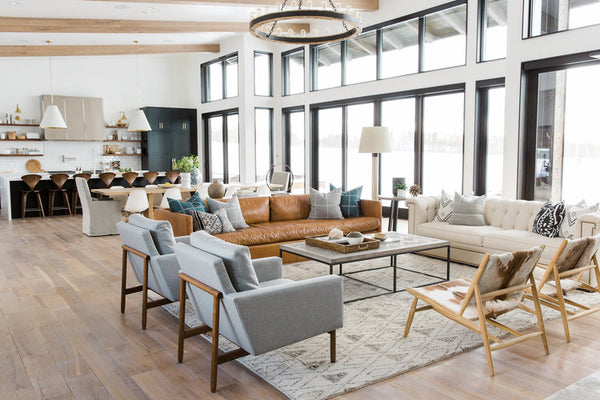
Area rugs can play a crucial role in defining different zones within your living room, especially in open floor plans. When choosing a rug, make sure it is large enough to accommodate all the furniture pieces in your seating area. This helps visually connect the pieces and creates a more cohesive look. Opt for rugs that feature patterns or colors in line with your overall design theme, ensuring they enhance rather than clash with existing decor.
Layering smaller rugs over larger ones can add an eclectic touch and introduce depth to the space. Positioning rugs to align with furniture legs creates a unified feel, making the area appear more organized. Consider the material of the rugs as well; options like wool are great for warmth, while synthetic fibers may be better for low maintenance.
In larger, open spaces, use rugs to create distinct areas, such as separating the dining area from the living area without needing walls. Seasonal rugs can refresh the ambiance, allowing you to change the mood throughout the year. Make sure the rug complements the flooring beneath it, whether it is hardwood, carpet, or tile, to avoid clashing textures. In smaller spaces, round rugs can soften the look and make the area feel more inviting. Finally, don’t hesitate to experiment with layering different textures and colors to create a rich, inviting atmosphere that reflects your personal style.
32. Keep Pathways Clear and Unobstructed
Keeping pathways clear and unobstructed is essential for a functional living room. Start by planning your furniture layout to ensure at least 18 inches of clear space in walkways. This allows for easy movement without feeling cramped. Choose furniture that fits the scale of your room to prevent overcrowding, making it easier to navigate. Avoid placing pieces in direct lines of movement, as this can disrupt flow. Instead, consider open shelving or wall-mounted units to save space while keeping pathways clear. Regularly reassess your furniture arrangement to adapt to changing needs. Incorporating furniture with built-in storage can also help minimize clutter, keeping pathways open. Opt for low-profile decorative items to avoid obstructing views and movement. Additionally, using lighter colors or materials can create a clear visual path, making the space feel more open. For gatherings, having movable ottomans or poufs can facilitate easy passage. Lastly, maintaining a clutter-free environment by organizing and removing unnecessary items will further enhance the flow of your living room.
33. Choose Complementary Accent Colors
Selecting accent colors that resonate with your main color palette is a simple yet effective way to create a cohesive and inviting living room. These colors can pick up hues from your primary shades, enhancing the overall aesthetic without overwhelming the space. To visualize how different colors will play together, consider using color swatches or digital tools before making your final choices.
Incorporate these accent colors through smaller elements like pillows, throws, and artwork. For instance, if your main palette is a soft blue, consider adding mustard yellow or coral accents in your decor to create a lively contrast. Remember to think about the psychology of colors as well; certain shades can evoke feelings of calm, energy, or warmth, influencing the atmosphere of your living room.
Experimenting with bold accent colors on smaller items allows for easy seasonal updates without the need for a complete room makeover. You might choose to use a monochromatic scheme, utilizing various shades and tints of a single color for a sophisticated look. Additionally, metallics or neutrals can serve as accent colors, adding depth and richness to your overall design.
Use accent colors strategically to highlight architectural features or focal points within the room, drawing attention to areas you want to showcase. Also, keep in mind that colors can appear different under various lighting conditions, so it’s wise to test them in both natural and artificial light. Finally, maintaining a consistent accent color throughout your home can help create a seamless flow between spaces, making your living area feel more connected.
34. Use Lighting to Highlight Architectural Features
Credits: buildinggreen.com
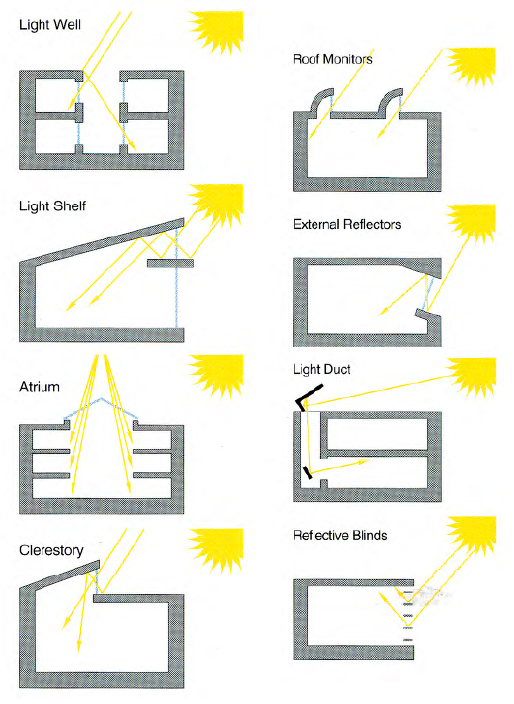
To enhance the beauty of your living room, focus on the architectural features that stand out, like beams, moldings, or a fireplace. Use adjustable recessed lighting to spotlight these features, allowing for flexible lighting designs that can adapt to your needs. Wall sconces are excellent for drawing attention to artwork or textured walls, infusing warmth and ambiance into the space. Consider track lighting to create a dynamic effect, enabling you to direct light towards various focal points as desired. If your room has tall ceilings, pendant lights or chandeliers can add vertical interest and emphasize height.
Layer your lighting by combining ambient, task, and accent types to enrich the overall atmosphere while highlighting specific areas. Choose light fixtures that complement the architectural style of the room to create a cohesive look. Dimmers are a great addition, allowing you to control brightness levels and change the mood based on the time of day or the activity at hand. Additionally, incorporating LED strips in architectural recesses can provide a modern, ethereal glow around features like coves or shelves. Ensure that the bulbs you select maintain a consistent color temperature to unify the lighting scheme across various fixtures.
35. Incorporate Soft Textures through Fabrics
Incorporating soft textures through fabrics is a simple yet effective way to enhance the warmth and comfort of your living room. Start by using a variety of materials like velvet, linen, and cotton in your pillows, throws, and upholstery. This mixture not only adds visual interest but also creates a cozy atmosphere that invites relaxation. You can mix and match different textures, combining smooth fabrics with rough, soft with hard surfaces, to create a visually engaging environment.
Layering textiles is another effective technique. For instance, draping a soft throw over a couch or placing a plush rug under a coffee table can add depth and warmth to the space. When selecting fabrics, consider your lifestyle, especially if you have pets or children. Choose durable materials that can withstand daily wear while maintaining their aesthetic appeal.
Natural fibers like wool or cotton are excellent choices for a timeless look. They breathe well and add a touch of elegance to your decor. Soft curtains or drapes can frame your windows beautifully, allowing light to filter in while enhancing the overall softness of the room.
To create a tactile experience, think about incorporating textured wall coverings or artwork that invites touch and interaction. Additionally, mixing different patterns and colors in your textiles can create a dynamic look, as long as they complement each other rather than clash. Consider adding textured accent furniture pieces, such as an upholstered ottoman or a woven basket, to soften the harder lines in your room. Finally, don’t hesitate to refresh your textiles with seasonal updates, keeping your living space feeling inviting and fresh throughout the year.
36. Use Plants to Enhance Air Quality
Integrating plants into your living room not only enhances air quality but also adds a vibrant touch to your decor. Opt for low-maintenance indoor plants that thrive in your specific lighting conditions, such as snake plants or pothos, both known for their air-purifying properties. A mix of tall floor plants and smaller table varieties can create an appealing visual display, making your space feel lush and inviting. Choose decorative pots that align with your overall decor style, adding an extra layer of design to the room. Grouping plants together can form a mini indoor garden, serving as a focal point that draws the eye.
Position your plants near natural light sources to optimize their growth and enhance the ambiance. Rotating them regularly will ensure even growth, maintaining a balanced aesthetic throughout the space. If floor space is limited, consider hanging planters or wall-mounted options to bring greenery into your living room without cluttering the floor. Incorporating seasonal plants can refresh the space and keep it connected to nature year-round. Additionally, using plants as natural dividers in open spaces can help define areas, blending beauty with functionality.
37. Opt for Multifunctional Furniture in Smaller Spaces
:max_bytes(150000):strip_icc()/cover_resource-furniture-Nuovoliola-murphy-bed-577017f65f9b5858759ae610.jpg)
Credits: thespruce.com
In smaller living areas, choosing multifunctional furniture can be a game-changer. Look for pieces that serve dual purposes, like a coffee table that offers hidden storage for magazines or blankets, which helps keep the space tidy. Sofas or chairs that convert into beds are ideal for accommodating guests without sacrificing style. Consider nesting tables that can easily be moved and tucked away when not in use, allowing for flexible arrangements based on your needs. Ottomans with hidden storage not only provide extra seating but also help manage clutter effectively. Wall-mounted desks or foldable tables can be tucked away when not in use, freeing up precious floor space. An expandable dining table is another smart choice, providing versatility for everyday use and larger gatherings alike. Invest in modular furniture, which can be rearranged to fit different layouts, adapting to your changing lifestyle. Incorporate benches with built-in storage for additional seating while keeping items organized out of sight. Choosing lightweight furniture makes it easy to shift pieces around, accommodating guests or events seamlessly. Lastly, utilize vertical space with tall storage solutions to maximize functionality without compromising on style.
38. Consider Natural Light in Your Design
Natural light can significantly enhance the atmosphere of your living room. Start by assessing the sources of natural light, like windows and doors, and observe how sunlight changes throughout the day. This understanding will help you optimize your design. For instance, using sheer curtains or adjustable blinds can allow you to control light levels while still maintaining privacy. Placing mirrors opposite windows is a clever trick to reflect light, making the space feel larger and more open. Additionally, selecting lighter paint colors for your walls can amplify brightness, contributing to an airy ambiance.
To further harness natural light, consider incorporating reflective surfaces in your furniture, such as glass or polished metals, to help bounce light around the room. It’s also important to choose lighting fixtures that complement natural light rather than overpower it, avoiding harsh artificial lighting that disrupts the cozy atmosphere. If your living room tends to be darker, think about adding skylights or larger windows to boost natural light exposure.
Creating a balance between natural and artificial lighting is key, so layer your light sources for a well-lit environment. As seasons change, you can also adapt your decor and layout, embracing the variations in natural light throughout the year.
39. Create a Cozy Reading Nook with Good Lighting
To create a cozy reading nook, start by selecting a quiet corner of your living room, away from the hustle and bustle. This space should invite relaxation and focus. A comfortable chair or chaise lounge is essential; it should encourage you to settle in with a good book for hours. Accompanying this seating, a small side table will keep your essentials close, whether that’s a cup of tea, a snack, or your latest read.
Lighting is crucial in a reading nook. Opt for a floor lamp or a table lamp that offers adjustable brightness, ensuring you have the right amount of light without straining your eyes. Soft textiles like a plush throw blanket or a few cushions can enhance the comfort level, making the area feel warm and inviting.
Nearby, consider incorporating bookshelves or a small bookcase. This not only organizes your reading materials but also adds to the overall aesthetic. If space allows, a window seat can be a delightful option, blending natural light with cozy seating.
To make the nook visually appealing, add decorative elements such as plants or art. These touches can tie the nook into your overall living room design. Lastly, keep the area tidy and clutter-free to maintain a serene atmosphere, and think about switching out decor seasonally to keep things fresh and inviting.
40. Use Furniture to Guide the Eye in the Room

Credits: aceofficesystems.com
Positioning larger furniture pieces can significantly shape how people experience your living room. For instance, a well-placed sectional sofa can naturally lead the eye toward a beautiful artwork or a cozy fireplace, creating a focal point in the space. Additionally, using accent furniture like stylish side tables or unique decorative chairs can enhance pathways, making the room feel more inviting and lively. Opt for furniture with distinct shapes or vibrant colors to draw attention and encourage exploration of the entire room.
Arranging furniture in lines, such as a row of chairs or a cleverly placed coffee table, contributes to a sense of direction, guiding movement through the room. Mixing various heights in furniture, like pairing low coffee tables with taller floor lamps, adds layers and depth to your design, making it visually appealing.
Avoid heavy or bulky pieces that block sightlines, as they can disrupt the natural flow of the room. Instead, use furniture placement to frame views, highlighting artwork or windows as centerpieces. Keeping a cohesive color scheme throughout the furniture can also help create a unified look that gently guides the viewer’s eye from one area to another. Regularly reassessing furniture arrangements helps to keep the space feeling fresh and engaging.
41. Avoid Overcrowding with Furniture
When designing your living room, it’s crucial to avoid overcrowding with furniture, as this can make the space feel cramped and uncomfortable. Choose furniture that fits the scale of your room, allowing each piece to have room to breathe. Multi-functional furniture, such as a coffee table with storage or a sofa bed, can help maximize usability without adding extra items. Ensure that there are clear pathways for movement, leaving at least 18 inches between pieces to enhance comfort.
Consider the height of your furniture, as lower pieces can create an illusion of a larger space, while taller items can add visual interest. Modular furniture can be rearranged to adapt to your needs, providing flexibility in your layout. Built-in storage solutions are also beneficial, reducing the need for extra furniture that can lead to clutter. Limit the number of large pieces; often, one statement item can serve as a focal point and be more effective than multiple bulky items.
Opt for lighter colors or transparent materials, which can help create an illusion of space and openness. Regularly reassess your furniture arrangement to ensure it aligns with your current lifestyle, making adjustments as necessary. Lastly, create distinct zones within the room using furniture placement, which helps define areas without overwhelming the space.
42. Incorporate Technology Subtly in Design
Incorporating technology into your living room design can enhance both functionality and aesthetics when done thoughtfully. Select tech devices that blend seamlessly with your decor, such as sleek sound systems or smart TVs that can be wall-mounted to minimize visual clutter. Hidden cable management solutions are essential for keeping wires out of sight, contributing to a cleaner look. Consider furniture with built-in charging ports, allowing for convenience without visible cords. Smart home devices like smart lights or thermostats can enhance your living space’s functionality without being obtrusive.
Versatile furniture pieces, such as media consoles or coffee tables with storage, can house technology effectively. You might also choose ottomans with hidden compartments to store remote controls, maintaining a tidy environment. Opt for tech items in neutral colors that complement your overall color scheme. For a unique touch, incorporate technology that aligns with your design theme, like vintage-style speakers for a retro vibe.
It’s important to ensure that technology does not dominate the space; it should enhance the design rather than overwhelm it. Regularly updating your technology and its integration will help keep your space modern and functional.
43. Use Artwork to Personalize Your Space
Credits: lorddecor.com
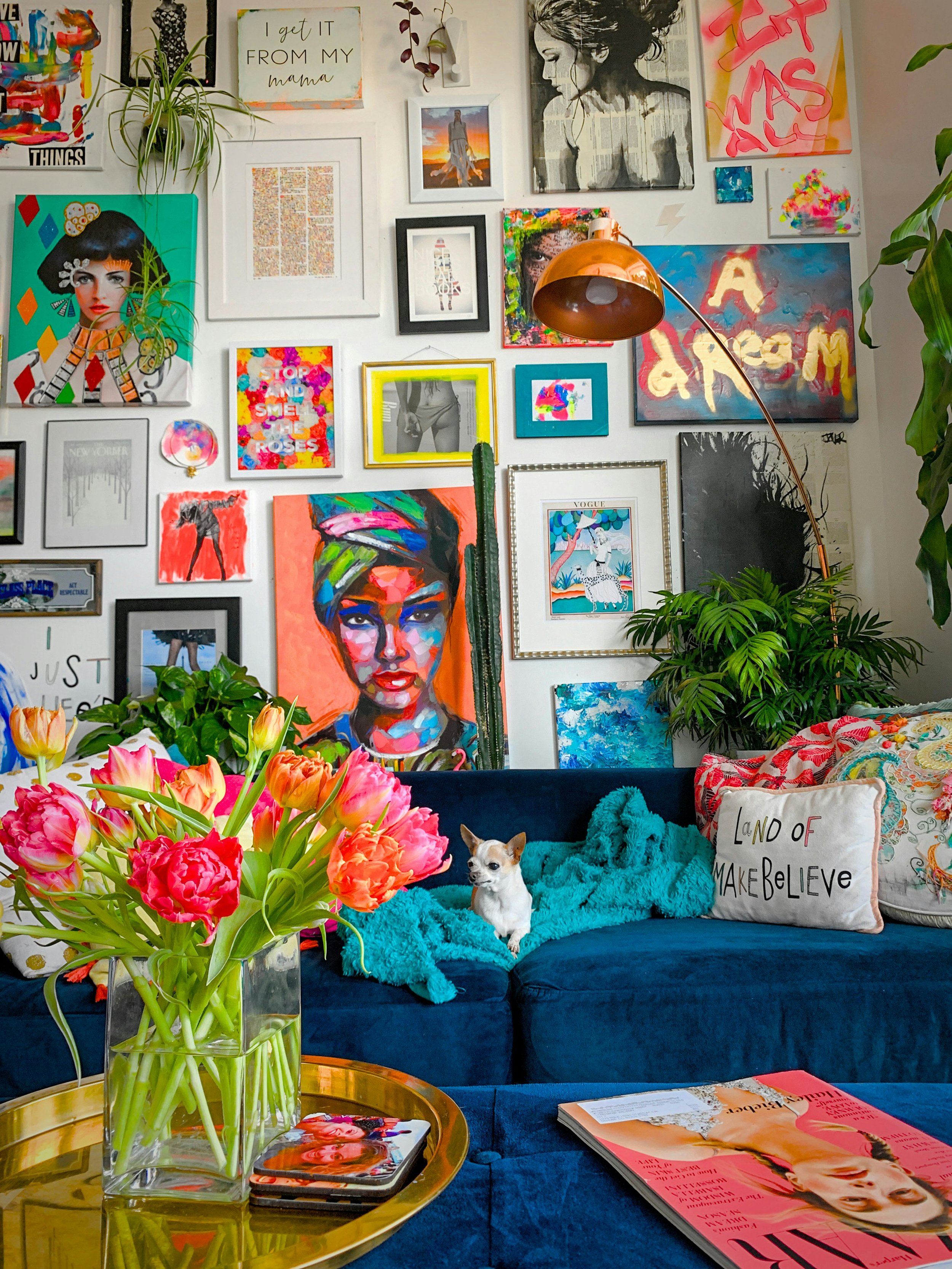
Artwork can be a powerful way to make your living room truly your own. Start by selecting pieces that resonate with your personal taste, whether it’s a vibrant painting or a serene photograph. Mixing different types of art, like prints, sculptures, or mixed media, can add depth and variety, creating a more engaging visual experience. Consider creating a gallery wall to showcase a collection of smaller pieces, providing a curated look that invites curiosity and conversation. For a more dramatic effect, use large-scale art as a focal point, drawing the eye and inspiring discussions among your guests.
When framing your artwork, choose styles that complement your existing decor, ensuring everything feels cohesive. Don’t forget about three-dimensional art pieces; sculptures or unique installations can engage the eye at different levels and add an unexpected twist. To keep things fresh, consider rotating your artwork seasonally, giving the space a dynamic feel throughout the year.
If you’re looking for flexible options, art ledges or floating shelves allow you to easily update your displays as your tastes change. Pay attention to the color palette of your artwork as well; it should harmonize with or provide a tasteful contrast to your room’s decor. Finally, lighting plays a crucial role in showcasing your art, use spotlights or wall sconces to enhance visibility and impact, bringing your walls to life.
44. Incorporate Textures through Decorative Elements
Incorporating textures into your living room can transform the space, making it feel inviting and layered. Start by mixing different materials like soft fabrics, rough wood, and smooth glass. This combination creates visual interest and depth. For instance, using throw pillows and blankets made from various materials not only adds warmth but also comfort.
Woven baskets can serve a dual purpose by providing storage while introducing organic textures. You might also consider textured wallpaper or wall treatments, which can add depth to your walls without overwhelming the room. Area rugs with varied textures can define spaces and offer a soft, cozy feel underfoot.
When selecting furniture, look for pieces that combine materials, such as wood and metal, for a contemporary touch. Adding plants with unique leaf shapes and textures can enhance the natural feel of the room. Decorative objects made of ceramic or stone can provide a tactile experience that boosts visual contrast.
Lighting fixtures, like a woven pendant lamp, can also add character while introducing interesting textures. Don’t hesitate to layer these decorative elements to create a rich, inviting environment that reflects your personal style.
45. Keep Surfaces Tidy for a Clean Look
To create a clean and inviting living room, it’s essential to keep surfaces tidy. Start by limiting decorative items to just a few key pieces that truly reflect your personal style. This not only prevents overwhelming your space but also allows your favorite items to shine. Using trays can help group smaller items together, making everything look organized and visually appealing. Regularly decluttering surfaces is crucial; remove items that are not essential or that don’t bring you joy. Consider incorporating decorative boxes or baskets for hidden storage, which keeps surfaces clear while maintaining easy access to your belongings. Furniture with built-in storage is another great option, minimizing visible clutter while ensuring functionality. Establishing a routine for cleaning and organizing surfaces will help you maintain a tidy appearance over time. Using coasters for drinks protects your surfaces and reduces clutter. Additionally, think about utilizing vertical space for decorations, such as shelves or wall-mounted displays, to keep surfaces free. Designate specific spaces for everyday items to prevent them from accumulating on surfaces. Lastly, incorporating minimalistic decor emphasizes simplicity and cleanliness, enhancing the overall look of your living room.
46. Use Contrasting Colors for Visual Appeal
:strip_icc()/purple-yellow-sitting-room-ae4b4ee1-e45411fdc2c046de82725b225a90feb9.jpg)
Credits: bhg.com
Using contrasting colors in your living room can create a striking visual appeal. Start by selecting a primary color palette, then introduce contrasting colors to highlight specific areas or features within the space. For instance, if your main color is a soft blue, consider adding orange accents, as these colors are complementary and can create a vibrant atmosphere. Accessories like cushions, throws, and artwork are excellent ways to incorporate these contrasting colors without overwhelming the room.
Balance is key; pair bold colors with neutral tones to maintain a harmonious look. This approach prevents the space from feeling chaotic. Consider using contrasting colors in furniture pieces or wall art to add depth and dimension. You might choose a dark sofa with bright yellow or green pillows to make a statement.
Experimenting with color blocking can also redefine areas within your living room. For example, painting one wall a bold color while keeping others neutral can delineate spaces visually. Remember, colors can evoke emotions; warm colors like reds and yellows create a cozy vibe, while cool tones like greens and blues can feel refreshing.
Incorporate colorful accents sparingly to keep the overall design cohesive while adding interest. Use lighting strategically to enhance the vibrancy of these colors, making them pop. Finally, distribute contrasting colors evenly throughout the room to achieve a balanced look that feels intentional and well-designed.
47. Create Balance by Distributing Weight Visually
Creating balance in your living room is essential for a harmonious and inviting space. Start by arranging your furniture and decor in a way that either emphasizes symmetry or embraces asymmetry, depending on the look you want to achieve. For instance, place a large sofa as an anchor in the room, with smaller chairs or side tables distributed around it to ensure visual weight is evenly distributed.
Incorporating a variety of shapes and sizes in your decor can add visual intrigue while maintaining equilibrium. Balance heavier items, like dark-colored furniture, with lighter elements, such as pastel-colored pillows or airy curtains. This contrast will help create a cohesive look. Repeating shapes or colors can also enhance your room’s balance, contributing to a smooth visual flow.
Using rugs strategically can help ground different areas, visually connecting furniture pieces. Incorporate taller plants or floor lamps to draw the eye upward, balancing out lower furniture items. Ensure that artwork and decorative elements are placed at eye level; this maximizes their impact and maintains visual stability.
Lastly, regularly reassess your layout. As your decor evolves over time, maintaining that balance will ensure your living room continues to feel cohesive and aesthetically pleasing.
48. Use Rugs to Add Warmth to Flooring
Rugs can significantly enhance the warmth and comfort of your living room flooring. When selecting a rug, ensure it fits the scale of your furniture arrangement, meaning it should be large enough to anchor the seating areas. Look for rugs with rich textures or interesting patterns to add depth to your space. For a unique bohemian style, consider layering different rugs, mixing textures and patterns to create an inviting atmosphere. Materials like wool or cotton not only feel good underfoot but also contribute to a cozy vibe. In open floor plans, area rugs help define distinct spaces for dining, living, and work areas, visually separating them while maintaining a cohesive look.
It’s crucial to select rugs that complement your color scheme, enhancing the overall design without clashing. Avoid placing delicate rugs in high-traffic areas unless they are made from durable materials, as this ensures they will withstand daily use. Proper rug placement is also key; furniture legs should rest on the rug to create a unified appearance. Regular cleaning and maintenance will keep your rugs looking fresh and inviting. To keep your living space feeling updated, consider changing your rugs seasonally, introducing fresh styles to match the changing moods of the year.
49. Choose Light Fixtures that Serve as Decor
:max_bytes(150000):strip_icc()/leather-sofa-living-room-ideas-12-ashley-montgomery-design-the-glendonwynne-4ff51506362b47da8368ab65d034b482.png)
Credits: thespruce.com
Choosing the right light fixtures can significantly enhance your living room’s aesthetic. Opt for statement lighting that draws attention and complements your overall design theme. For instance, an oversized chandelier can become a stunning focal point in a spacious room, while unique floor lamps or table lamps can add character. It’s also essential to think about various light sources: using a mix of floor lamps, table lamps, and wall sconces creates depth and warmth, making your space feel inviting.
Incorporating dimmable lighting gives you the flexibility to adjust the ambiance for different occasions, enhancing the room’s versatility. Pendant lights placed over dining areas or coffee tables not only provide focused lighting but also serve as decorative elements. When selecting fixtures, consider their finishes and ensure they match or complement the other metals in your decor.
Using lighting to highlight architectural features or artwork can draw attention to essential elements in the room, making it feel more dynamic. You can also look for fixtures with interesting colors or shapes to enhance visual interest without overwhelming the space. Regularly updating your light fixtures keeps your design fresh and aligned with evolving trends, allowing your living room to stay stylish and inviting.
50. Use Side Tables for Enhanced Functionality
Side tables can significantly boost the functionality of your living room. When choosing them, look for options that offer storage, such as drawers or shelves, which can be particularly useful in tight spaces. Varying heights in your side tables can create visual interest and accommodate different seating arrangements. These tables are versatile, allowing for easy rearrangement during gatherings, making them perfect for entertaining.
Incorporating decorative side tables not only serves a practical purpose but also enhances your decor. Nesting tables can be a smart choice, providing additional surfaces when needed without adding clutter when they are not in use. It’s essential to create balance in your seating arrangement, ensuring each seat has a nearby surface for drinks or snacks.
Select materials that complement your existing furniture and color scheme for a cohesive look. Unique designs or shapes can serve as statement pieces, adding character to the room. Using side tables for plants or decorative items can bring life and personality to your space. Finally, regularly assess how well your side tables meet your needs, ensuring they continue to provide comfort and style as your living space evolves.
51. Keep Furniture Away from Walls for Depth
Positioning furniture away from walls can significantly transform your living room. This layout creates a more inviting atmosphere, making the space feel larger and more open. By arranging seating pieces to form intimate groupings, you encourage conversation and connection among guests, rather than having everyone sitting in a straight line against the wall.
Furthermore, this approach enhances the flow of movement throughout the room. You can use the extra space to add small tables or decorative plants, which not only improve functionality but also introduce visual interest. Experimenting with different arrangements may help you discover what feels most comfortable for your lifestyle.
Instead of pushing larger pieces against the walls, consider positioning them centrally, which can create a balanced look. Just be mindful of the scale of your furniture to ensure it complements the room without overwhelming it. Additionally, incorporating floor lamps or accent lighting behind furniture can add warmth and illumination, enhancing the overall ambiance.
This technique also allows artwork or decor on the walls to shine as focal points, drawing attention and making the room visually dynamic. You might even try positioning furniture pieces diagonally; this simple shift can invigorate the space and create a more engaging atmosphere.
52. Use Color Blocking to Define Areas
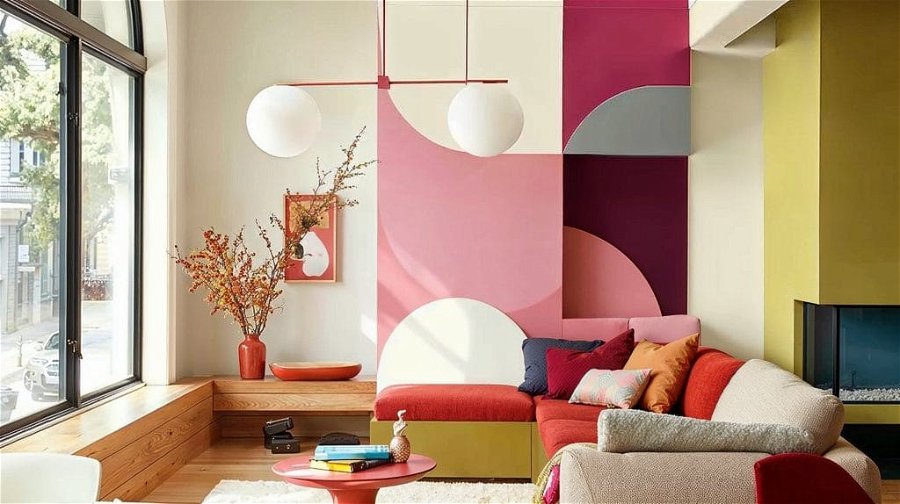
Credits: decorilla.com
Color blocking is a creative way to visually divide spaces in your living room using different colors. By selecting two to three complementary colors, you can create a cohesive look that enhances the overall design. This technique can be applied to walls, rugs, or even furniture pieces, effectively establishing distinct zones in an open floor plan. For instance, you might paint one wall a bold hue to serve as a focal point while keeping the rest of the space in softer tones to maintain a calming effect.
Using color blocking can also help differentiate areas for living, dining, and working without the need for physical barriers. Imagine a vibrant rug under your coffee table that contrasts with the color of your sofa, it not only anchors the seating area but also adds energy to the room. Accessories like pillows and throws in blocked colors can tie the space together without making any permanent changes.
Don’t hesitate to experiment with patterns and textures in your color blocking. This approach can add depth and visual interest, drawing attention to architectural features such as built-ins or alcoves. Make sure to choose colors that reflect your personal style and create the desired mood, whether it’s lively and energetic or calm and serene. Color blocking can be a fun and effective way to enhance your living room’s design.
53. Incorporate Vintage Pieces for Character
Vintage pieces can create a unique atmosphere in your living room, adding warmth and a sense of history. You can find these treasures at flea markets, thrift stores, or online marketplaces. Mixing vintage items with modern furniture can make for an eclectic yet balanced look, showcasing your personal style. Each vintage piece often has its own story, so consider how it fits into your narrative. Vintage accessories like lamps, vases, or artwork can serve as striking focal points in your decor. Embracing the imperfections of vintage items adds character and charm, making your space feel more inviting. Ensure that the scale of these pieces complements your existing furniture to maintain visual harmony. Incorporating vintage textiles, such as quilts or cushions, can introduce additional warmth and texture. You might also rotate vintage items with seasonal decor to keep your living room feeling fresh and dynamic. Lastly, using vintage furniture as statement pieces can draw attention and spark engaging conversations.
55. Choose Comfortable Seating for Relaxation

Credits: roomandboard.com
When designing your living room, selecting comfortable seating is key to creating a space where you can unwind. Look for furniture that prioritizes comfort, especially for the pieces that you will use daily. Consider the scale and depth of the seating to ensure optimal support and relaxation. Softer fabrics are ideal, as they feel good to the touch and are easier to clean, making them practical for everyday use.
Enhance comfort by incorporating cushions and throws, which not only add a cozy touch but also bring in extra style. Arranging your seating to encourage conversation can further enhance the relaxing atmosphere of the room. For flexibility, consider modular seating options that can be adapted to fit your space and needs.
Before making a purchase, test out seating options in-store to ensure they meet your comfort preferences. Adding ottomans or poufs provides additional seating that can be easily moved around, which is great for accommodating guests. For a designated spot to kick back, include recliners or lounge chairs that invite you to relax. Lastly, layering different seating styles can create a warm and inviting atmosphere.
56. Use Bookshelves for Personality and Storage
Bookshelves are more than just a place to store books; they can showcase your personal style and serve as functional storage. By arranging your books by color, size, or theme, you can create a visually appealing display that draws attention. Adding decorative items like plants, sculptures, or artwork among your books introduces additional interest and breaks up the monotony. For a modern look, consider floating shelves, which save floor space while allowing you to display items at eye level.
Make your bookshelves a canvas for your memories by showcasing personal collections, travel souvenirs, or family photos. To keep your space looking tidy, incorporate closed storage bins or decorative boxes to hide away less attractive items. Utilizing the top of your bookshelves for decorative displays or plants can also add height and dimension to your room.
Changing the arrangement of items regularly helps to refresh your space, keeping it interesting and dynamic. Mix different heights and shapes to create visual balance, and if you have an open space, consider using bookshelves as room dividers. This not only adds style but also creates functional areas within your living room.
57. Create Symmetry for a Formal Look
Symmetry can add a sense of order and sophistication to your living room design. To achieve a formal look, place matching items like pairs of lamps or chairs on either side of a focal point, such as a fireplace or a large piece of artwork. This symmetrical layout guides the eye and creates a polished appearance that works beautifully with traditional and formal design styles, enhancing the overall elegance of the space.
Incorporating symmetrical artwork or decor pieces can also help in achieving a balanced aesthetic. For instance, hanging two identical frames on either side of a window creates harmony and draws attention to the architectural feature. It’s essential to consider the height of items as well, ensuring visual balance across the room.
While symmetry contributes to a formal ambiance, don’t hesitate to experiment with asymmetrical designs in smaller areas to maintain a dynamic feel. You can also achieve symmetry through your color palette, using matching accents throughout the room to reinforce the theme. Just remember, incorporating symmetry doesn’t have to feel rigid; a relaxed approach can foster an inviting atmosphere.
58. Incorporate Personal Photos in Stylish Frames

Credits: witanddelight.com
Personal photos bring warmth and character to your living room, creating a sense of belonging. To achieve a cohesive look, select frames that match your decor style, whether it’s modern, rustic, or eclectic. A gallery wall can be an exciting way to showcase several photos in a dynamic arrangement, allowing for creativity in display. Mixing various frame styles and sizes adds an eclectic touch while keeping the overall display curated. Opt for high-quality prints and consider matting for a polished presentation that elevates the aesthetics.
For maximum impact, position your photos at eye level, ensuring they capture attention. You can enhance the display by incorporating meaningful quotes or artwork alongside your photos, adding depth and personal significance. To keep your living space feeling fresh, consider rotating the photos seasonally, allowing new memories to shine throughout the year. Using floating shelves is another great option, as they provide a space to display your photos alongside other decorative items, creating a layered and inviting look.
Additionally, personal photos can serve as conversation starters, telling stories about your life and experiences. They invite guests to connect with you on a deeper level, making your living room a truly personal sanctuary.
59. Use Area Rugs for Warmth and Texture
Area rugs are a versatile addition to your living room, providing warmth and texture while defining spaces, especially in open-concept designs. It’s important to select rugs that are appropriately sized to fit under all key furniture pieces, creating a cohesive look. For added depth and interest, consider layering rugs, which can be particularly effective in bohemian designs.
Material choice is crucial for durability and comfort, especially in high-traffic areas. Opt for rugs that introduce color and pattern into the room without overwhelming the overall aesthetic. Ensure that the rug complements your color scheme and style; this harmony will enhance the visual appeal of your living space.
To prevent slipping and enhance safety, use non-slip pads under your rugs. Choosing rugs that feel good underfoot can significantly add to the comfort of your seating area. Additionally, rugs can help with acoustics, reducing noise in larger spaces, making them an excellent choice for both style and functionality. Regular cleaning and maintenance will keep your rugs looking their best, ensuring they continue to be a beautiful part of your living room.
60. Avoid Excessive Decor, Less is More
Keeping your living room decor minimal can be a game changer. It helps prevent clutter, making the space feel clean and inviting. Instead of filling every surface with small items, focus on a few statement pieces that really stand out. This way, each decor item can shine on its own.
Using negative space effectively allows your chosen pieces to breathe and adds to the overall aesthetic. Try to limit decorative items on surfaces, which keeps them functional and tidy. Remember to consider the scale of your decor; oversized items can create a strong visual impact, while smaller pieces may get lost in the space.
Incorporating multifunctional items, like a stylish storage ottoman, can serve a purpose beyond just being decorative. Opt for quality over quantity, selecting well-made items that you truly love, as they will add more value to your space.
Regularly reevaluate your decor and remove items that no longer fit your style or serve a purpose. Instead of multiple smaller art pieces, consider using large-scale art to create a focal point. Minimal decor not only looks elegant but can also create a calming environment that makes your living room more welcoming.
61. Choose a Consistent Theme to Unify Space
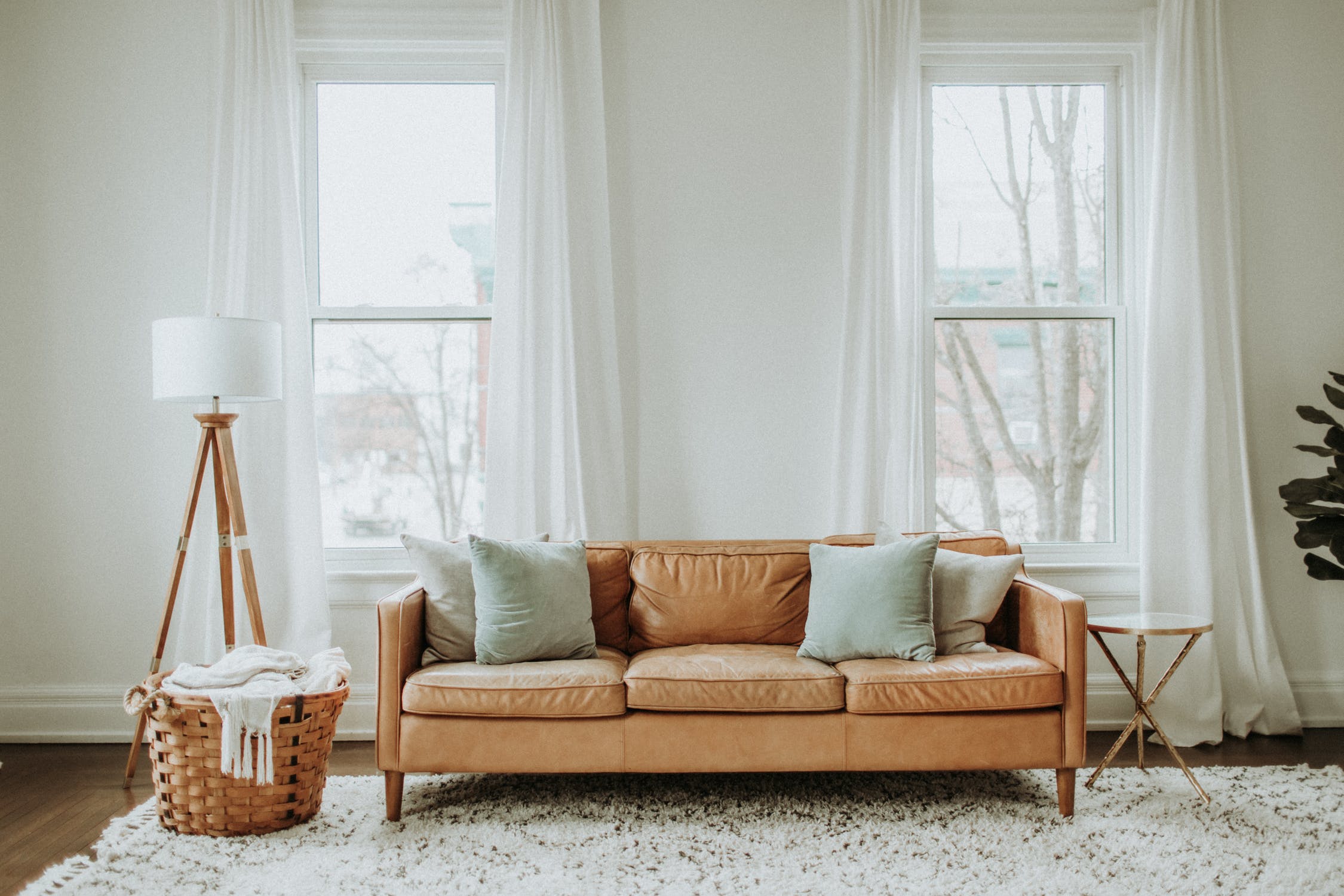
Credits: nesta.ie
A consistent theme can significantly enhance the look of your living room, making it feel more cohesive and inviting. Start by selecting a color palette that reflects your personality, as this sets the tone for the entire space. For example, if you love calm and serene environments, consider soft blues and greens. Next, incorporate matching materials for your furniture and decor, which helps to unify the different elements. If you’re leaning towards a modern aesthetic, choose sleek metal and glass for your furnishings and accessories. You can also opt for similar design styles throughout the room, like rustic or industrial, to provide a consistent vibe.
Consider adopting a specific theme, such as coastal or industrial, to guide your choices and create a clear direction for your design. Maintaining consistent patterns in your textiles, such as curtains and cushions, will enhance this unified appearance. When selecting artwork, choose pieces that complement your theme, contributing to the overall story of the space. Repeating certain elements, like colors or shapes, can help tie different areas together, creating harmony in your design.
Be mindful of your furniture style, ensuring it aligns with your chosen theme, whether it’s modern, vintage, or eclectic. Accessories, like vases or books, should also reflect your theme, adding depth and interest without overwhelming the space. Finally, regularly assess your theme to ensure it resonates with your evolving style, allowing your living room to be a true reflection of who you are.
62. Use Accent Walls for Visual Interest
Accent walls can transform a living room by creating a striking focal point. Choosing a bold color or an eye-catching pattern can instantly elevate the space, making it feel more dynamic. For a simpler approach, consider using wallpaper or decals, which can be easily applied and removed, allowing for an impactful change without a long-term commitment. If you’re looking for a more rustic feel, wood paneling or reclaimed wood can add warmth and texture to your accent wall.
A gallery wall featuring art or photographs also serves as an excellent personal touch, allowing you to showcase your unique style. Selecting a wall with architectural features, like a fireplace, can enhance the wall’s impact even further. If you’re someone who enjoys changing things up frequently, removable wallpaper can be a great option.
For a different aesthetic, materials like brick or stone can be used for a rustic accent wall, offering a timeless appeal. Lighting plays a crucial role too; consider the effects of natural light on your accent wall, and use additional lighting to highlight its colors and textures, making it stand out beautifully.
63. Layer Lighting with Dimmers for Versatility
Layering lighting is essential for creating a versatile living room atmosphere. By incorporating multiple light sources, like floor lamps, table lamps, and ceiling fixtures, you can enhance the room’s overall ambiance. Using dimmer switches allows you to adjust the brightness based on your mood and the time of day, making the space feel inviting at all hours.
A well-rounded lighting approach combines ambient, task, and accent lighting. For instance, ambient lighting provides overall illumination, while task lighting, like reading lamps, focuses on specific areas. Accent lighting can highlight artwork or architectural details, drawing attention to unique features.
Smart bulbs are an excellent choice for customizable lighting options, allowing you to change colors and brightness with ease. Positioning lights to highlight artwork or architectural details can make your living room feel more dynamic. For a warm and cozy atmosphere, especially in the evening, opt for warm-colored bulbs.
Experimentation is key; try different placements and intensities of light sources to find the ideal balance. Adjustable fixtures can direct light where it’s needed most, enhancing functionality. Regularly updating your lighting scheme can keep the space feeling fresh and inviting, ensuring your living room remains a comfortable retreat.
64. Create Cozy Conversation Areas with Furniture
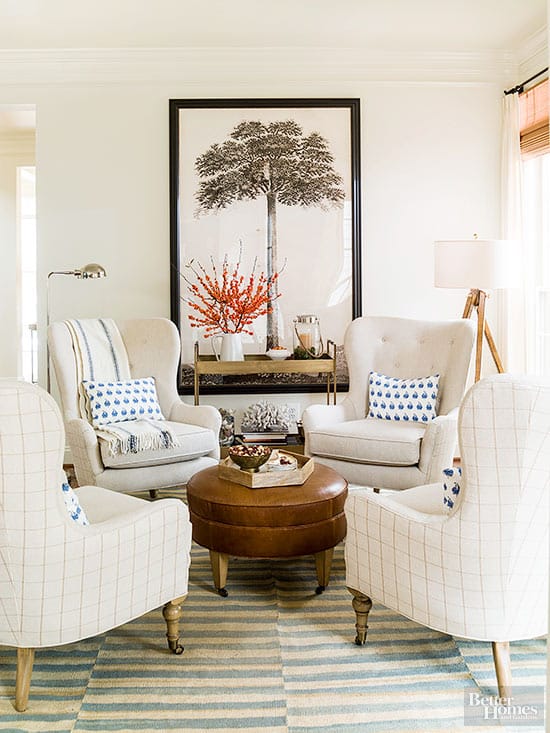
Credits: theinspiredroom.net
Arranging your living room furniture to create cozy conversation areas can significantly enhance interaction among guests. A circular or semi-circular seating layout encourages people to engage with one another, making conversations flow more naturally. Placing a large coffee table in the center serves as a focal point, perfect for holding drinks or snacks while chatting.
Opt for soft seating options like plush sofas or inviting armchairs to promote comfort. Adding side tables ensures that drinks and snacks are easily accessible, enhancing the overall experience during gatherings. Mixing different seating styles, such as benches or poufs, adds a casual vibe that can make the space feel more relaxed.
Positioning furniture to face each other is crucial for fostering dialogue and connection. In larger or open spaces, area rugs can help define these conversation zones, creating an intimate atmosphere. Consider incorporating movable furniture, which allows you to adapt the layout for various gatherings, making the space more versatile.
Cushions and throws not only add comfort but also bring warmth and style to your seating areas. Low lighting can further create an inviting ambiance, encouraging relaxed conversations that linger long into the evening.
65. Incorporate Natural Elements like Wood
Using wood in your living room can create a warm and inviting atmosphere. Start with wooden furniture pieces that not only offer a timeless appeal but also add character to your space. Opt for natural wood finishes to evoke a rustic or organic feel. Adding wooden accents, such as picture frames or shelves, can introduce texture and depth to your decor. Reclaimed wood is an excellent choice for those looking to add a sustainable touch, while also providing a unique story to each piece.
Consider using wood paneling or exposed beams in your design to enhance the room’s character, providing a focal point that draws the eye. To achieve a balanced look, combine wood with other natural materials like stone or plants. Wooden decor items, such as bowls or sculptures, can serve as subtle accents that enhance your overall theme. When selecting wood tones, aim for shades that complement your color palette, creating a cohesive design.
Don’t hesitate to use wood in unexpected ways, like in light fixtures or wall art, as this can add an element of surprise to your decor. Finally, regular maintenance is key; keeping wooden elements polished and clean will ensure they continue to look their best and maintain their charm.
66. Choose Curtains that Complement Color Scheme
Selecting the right curtains is key to enhancing your living room’s overall aesthetic. Aim for curtains that either match or contrast with your wall color to create a striking impact. For example, if your walls are painted in a soft gray, consider curtains in a vibrant yellow for a pop of color, or go for deep navy for a more sophisticated vibe.
The type of fabric also plays a crucial role. Sheer fabrics allow natural light to filter through, creating a bright and airy feel, while heavier materials provide necessary privacy and warmth. Patterns on curtains can echo other elements in your room, such as cushions or artwork, adding cohesion to your design.
When it comes to length, choose curtains that graze the floor for a formal touch or hang slightly above the ground for a more casual look. Layering is another trend to consider; pairing sheer curtains with heavier drapes gives you versatility in light control and adds depth to your window treatment.
Don’t forget to use tiebacks to allow natural light in and to showcase the beautiful fabric of your curtains. Select colors that not only complement your existing palette but also enhance the mood of the room. Calm blues promote relaxation, while energizing yellows can uplift the space.
Regular cleaning is essential to keep your curtains looking fresh and inviting. Lastly, ensure that your curtain rods match your overall hardware for a cohesive look, as this can help frame your windows beautifully and elevate your living room’s design.
67. Use a Variety of Heights in Decor

Credits: stonegableblog.com
Incorporating a mix of heights in your living room decor can create an engaging and dynamic atmosphere. Start by adding tall plants or floor lamps, which draw the eye upwards and make the space feel larger. Mixing table heights, such as low coffee tables paired with taller side tables, adds visual interest and can break the monotony of flat surfaces.
Utilize shelves or stacked books to introduce varying levels in your decor, enhancing depth and dimension. When displaying artwork, consider placing pieces at different heights to create a dynamic gallery wall effect. Choosing furniture with varying leg heights can also contribute to this visual contrast.
To fill space attractively, opt for decor items like vases or sculptures in different sizes. Additionally, incorporating hanging elements, such as pendant lights or wall art, can add another layer of dimension to the room. Tall bookcases or cabinets are great for utilizing vertical space effectively, providing storage while drawing the eye upward.
Group decor items in threes to create appealing arrangements, and don’t hesitate to rearrange them regularly to keep the space feeling fresh and interesting.
68. Layer Rugs for a Bohemian Look
Layering rugs adds a delightful bohemian touch to your living room. Start with a large, neutral base rug to anchor the space, creating a solid foundation. On top of this, you can add smaller, patterned rugs to introduce texture and color, enhancing the overall aesthetic. Mixing materials, like jute and wool, can provide added depth, making the area feel more inviting.
When choosing rugs, look for varying patterns that complement each other. This creates a cohesive yet eclectic vibe, which is key to the bohemian style. Layering rugs also helps define different areas in an open-concept space, making it feel more organized and intentional. Don’t shy away from bold colors, as they can transform your living room into a vibrant and lively atmosphere.
Consider the scale of your rugs; larger ones help ground the area while smaller ones add charm and detail. Regularly rotating rugs keeps the look fresh and exciting, allowing for a dynamic space. Additionally, rugs can soften hard surfaces and add warmth underfoot, making your living area cozy and welcoming. Incorporating different shapes, like round and square, adds a playful touch that enhances the overall design.
69. Keep the Focal Point Clear and Unobstructed
Identifying a focal point in your living room, such as a fireplace or a striking piece of art, is essential for creating a harmonious space. Arrange your furniture in a way that emphasizes this focal point without obstructing it. Avoid placing large pieces directly in front of it; this will ensure that the view remains open and inviting. Lighting can be a powerful tool in drawing attention to your focal point, consider using spotlights or accent lighting to highlight it effectively.
Keep any decor surrounding this area minimal to prevent distraction. A bold painting or a unique sculpture can serve as the room’s centerpiece, making it visually impactful. Arrange your seating in a way that encourages conversation while facing the focal point, fostering engagement. Use complementary accessories to enhance the focal point without overshadowing it, creating a balanced look.
As your decor evolves, periodically reassess the focal point to ensure it still stands out. Pay attention to the balance of colors and textures around it, as this will contribute to the overall harmony of the space. Lastly, ensure that pathways remain clear, which not only enhances sightlines but also contributes to a more open and inviting atmosphere.
70. Use Wall Treatments for Depth and Texture
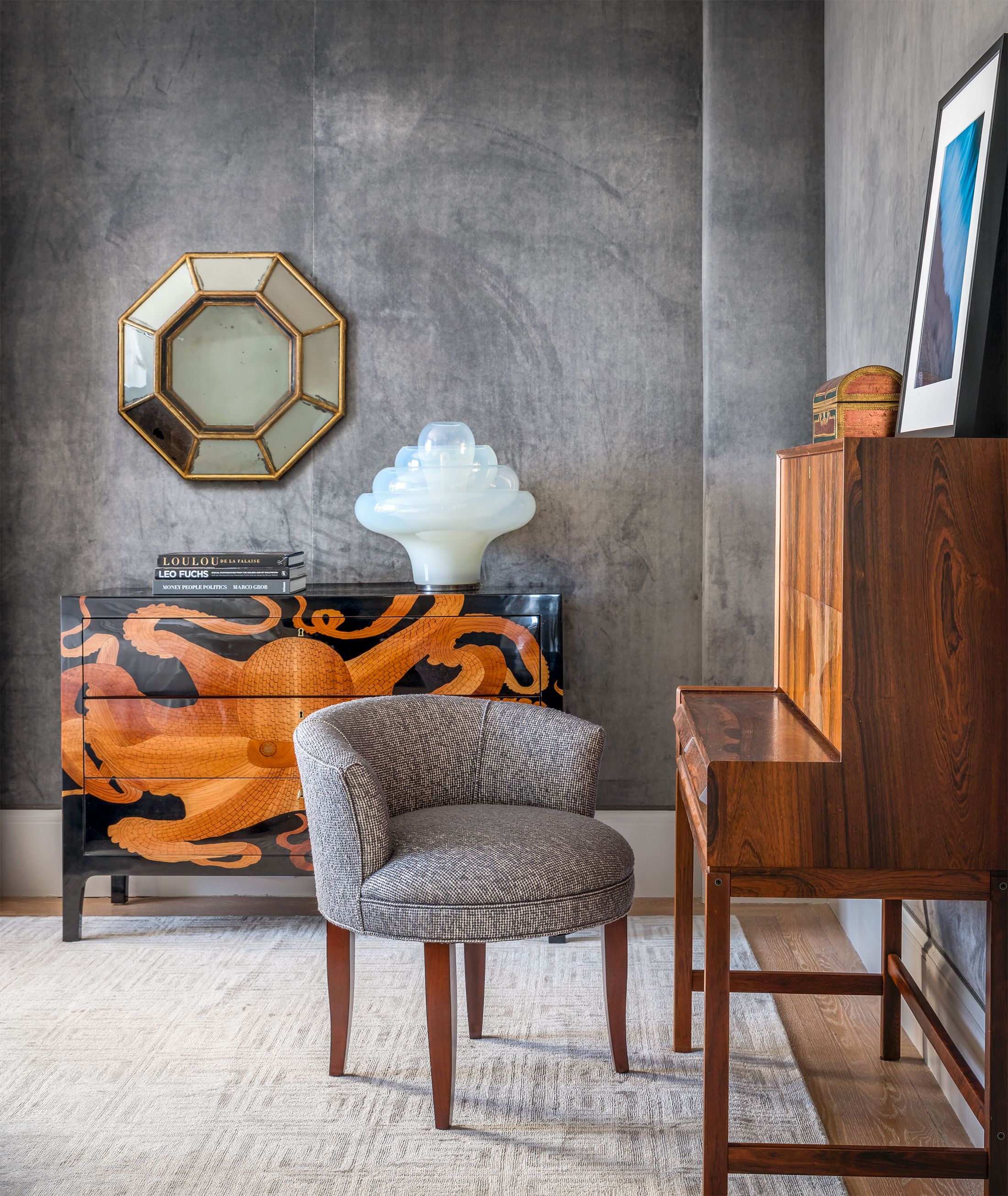
Credits: housebeautiful.com
Wall treatments can significantly enhance the visual appeal of your living room. Consider options like wallpaper, paint, or wood paneling to create a unique look. Textured finishes, such as stucco or brick, add depth and character, making your walls a focal point. If you’re not ready for a permanent change, removable wall treatments can provide a fresh look without commitment. Decorative molding or trim can bring sophistication to your space, while a bold accent wall can make a statement. Wall-mounted art or shelves can enhance the room’s dimension, and fabric wall hangings introduce softness and warmth. Experimenting with different finishes, like matte or glossy, can change how light interacts with your walls. Regularly updating these treatments keeps your living area feeling fresh. It’s essential to ensure that your wall treatments align with your overall design theme to maintain coherence throughout the space.
71. Consider Flow When Arranging Furniture
When arranging furniture in your living room, it’s crucial to consider the flow. Start by identifying the main traffic paths to ensure smooth movement throughout the space. Position larger furniture pieces first, like sofas or coffee tables, and then add smaller items around them. This creates a natural pathway that allows easy movement between different areas. Keep in mind the function of each spot; for instance, seating areas should be close enough to foster conversation but not so crowded that it feels cramped. Opt for furniture shapes that promote movement, such as round tables or items with soft corners. Be mindful of tall furniture blocking windows or views, which can disrupt the openness of the room. Additionally, consider the height of your furniture to maintain clear sightlines. Using rugs can help visually define areas while allowing for a seamless flow between them. Lastly, evaluate the arrangement from multiple angles to ensure it feels harmonious and inviting.
72. Use Contrasting Shapes for Visual Interest
Incorporating contrasting shapes into your living room design can significantly enhance visual interest. Mix geometric shapes, like square coffee tables, with organic forms, such as a rounded sofa, to achieve a balanced look. This can create a dynamic arrangement that invites exploration. For instance, pairing round tables with square chairs not only adds variety but also encourages conversation. Accessories can also play a vital role; consider using circular vases alongside rectangular trays to add depth to your decor.
Experimenting with asymmetrical arrangements can create intrigue, drawing the eye around the room. Incorporate wall art and decor of varying shapes to enhance this effect, and don’t shy away from mixing tall and short furniture pieces, which can draw the eye upwards and create a sense of height. Unique lighting fixtures in interesting shapes can further add character to your space, while decor items that contrast with the shapes of your furniture will keep the design engaging. Layering shapes in your living room will not only create a visually appealing environment but also one that feels inviting and lived-in.
73. Create a Cohesive Look by Matching Metals

Credits: kathykuohome.com
To achieve a cohesive look in your living room, focus on matching metal finishes throughout the space. Start by selecting a primary metal, like brass or chrome, and consistently use it in various elements. For instance, you might choose brass for your light fixtures, then carry that finish into your picture frames and decorative accents. Mixing metals can be done, but it should be done sparingly to avoid a chaotic appearance. Pay attention to the undertones of each metal; warm tones in brass will contrast with the cool tones of chrome, so stick to those that complement each other. Incorporating hardware, such as door handles or drawer pulls, that matches your chosen metal theme helps maintain a unified look. Consider adding furniture pieces that feature your selected metal for added consistency. For visual interest, balance shiny metals with matte finishes, and include metal accents in artwork or sculptures to tie everything together. Lastly, textiles that match your metallic color palette will further enhance the overall design.
74. Use Contrasting Textures for Depth
Incorporating contrasting textures in your living room can significantly enhance its depth and visual appeal. Start by layering soft fabrics, like plush throws or velvet pillows, over harder surfaces such as leather sofas or wooden chairs. This mix creates a dynamic contrast that invites comfort and interest. You might consider including various materials like metal accents alongside warm wooden pieces, which adds richness to the space.
Textured pillows and throws can bring a cozy feel to smooth, sleek sofas, making the environment more inviting. For instance, pair a modern sectional with chunky knitted blankets or woven baskets. You can also incorporate glass elements, such as vases or decorative objects, alongside rustic items like reclaimed wood furniture to create a captivating juxtaposition.
Different finishes on your furniture, like matte and glossy surfaces, provide added complexity, making the room visually engaging. Adding rugs with varied textures, such as a soft shag rug over a hardwood floor, enhances the flooring experience and adds warmth. Consider creating focal points with textured wall treatments or unique artworks that draw the eye.
Don’t shy away from combining natural materials, like stone or wood, with synthetic ones, as this contrast can make your design more intriguing. Use contrasting textures to highlight specific areas or pieces in the room, guiding the viewer’s attention while also making the space feel layered and thoughtfully designed.
75. Experiment and Change Your Space Over Time
To keep your living room feeling fresh and inviting, don’t be afraid to experiment with different furniture arrangements. Sometimes, a simple rearrangement can completely transform the look and feel of the space. Consider switching out decor items seasonally to bring in new colors and textures, which can keep your space lively. As trends evolve or your personal interests change, incorporate those elements into your design. If you feel like your walls need a refresh, repainting them in new colors or adding patterns can make a significant impact.
Thrift stores and swap meets are great places to find unique pieces that fit your style while staying within budget. Test out various lighting options, as they can dramatically alter the atmosphere of your living room. Temporary decor changes, like removable wallpaper or decals, allow for creative experimentation without long-term commitment.
Encouraging feedback from friends and family can provide new perspectives that might inspire changes you hadn’t considered. Take some time to reflect on your design choices and don’t hesitate to make adjustments as needed. Your living space should evolve alongside your lifestyle and preferences, so embrace the journey of change.
Frequently Asked Questions
1. What are some key trends in modern living room designs?
Modern living room designs often focus on minimalism, open spaces, and functionality. Popular trends include using neutral colors, combining natural materials, and incorporating smart home technology.
2. How can I make a small living room look more spacious?
To make a small living room feel larger, use light colors, choose furniture with exposed legs, avoid bulky items, and add mirrors to reflect light. Keeping your layout open and uncluttered also helps.
3. What types of furniture are best for a modern living room?
In a modern living room, look for furniture that has clean lines, is multifunctional, and is made from materials like metal, glass, and wood. Sofas with simple shapes and stylish accent chairs work well.
4. How can I add personality to my living room without overwhelming it?
You can add personality by incorporating unique decor items like artwork, throw pillows, and rugs. Choose a few statement pieces that reflect your style without cluttering the space.
5. Are there effective ways to incorporate lighting in my living room design?
Yes, layering different types of lighting, such as ambient, task, and accent lights, can enhance your living room. Use floor lamps, table lamps, and wall sconces to create a warm and inviting atmosphere.
TL;DR Explore 75 modern living room design tips focusing on functionality, style, and personalization. Key suggestions include choosing functional furniture, sticking to a neutral color palette with accents, using mixed lighting for ambiance, and ensuring proper rug sizing. Maintain clear walkways, balance decor by mixing shapes and sizes, incorporate art and plants, and arrange seating for conversation. Don’t forget technology integration, seasonal decor changes, and choosing durable materials. These tips will help you create a stylish and inviting living space tailored to your preferences.
